What Is Lead Management Software? The Complete Agency Guide
Lead management software captures, tracks, and converts leads. This guide explains how it works, key features, and where lead distribution fits for agencies.

Rafael Hernandez
Founder & CEO
Ex-Microsoft SWE · $10M+ PPL ad spend

I hope you enjoy reading this blog post. If you want to try Lead Distro AI for free, click here.
Author: Rafael Hernandez | Founder & CEO of Lead Distro AI
Last Updated: June 1, 2026
Lead management software is a system that captures, organizes, tracks, scores, and routes leads from first touch to closed deal, so no opportunity slips through the cracks. For a single business with one sales team, that usually means a CRM with a pipeline view. For an agency that buys, sells, and distributes leads at volume, lead management means something different: it is the layer that ingests leads from many sources, deduplicates and scores them, then routes each one to the right buyer or rep in real time. Both definitions are correct. They just describe different jobs.
According to Grand View Research, the global CRM market, which includes lead management, was valued at roughly $65.6 billion in 2023 and is projected to grow at a 13.9% compound annual growth rate through 2030. The category is huge because the problem is universal: businesses generate more leads than they can manually track. This guide explains what lead management software actually does, the core features to look for, how a lead management system differs from a pure CRM, and where lead distribution fits for agencies that handle thousands of leads a month. If you route leads to multiple buyers, you can start a free trial of Lead Distro AI and see the distribution layer in action.
Key Takeaways
- Lead management software captures, tracks, scores, and routes leads across the full lifecycle, replacing scattered spreadsheets and inboxes with one system of record.
- A traditional CRM and an agency distribution platform are both forms of lead management, but they solve different problems: a CRM owns one company's pipeline, while distribution software routes leads to many buyers or reps.
- The five core jobs are capture, deduplication, scoring, routing, and reporting. Weak deduplication and slow routing are the two failures that quietly bleed revenue.
- Lead routing speed directly affects conversion. Research from the Harvard Business Review found that responding within an hour makes a lead far more likely to qualify than responding even a day later.
- Agencies that buy and sell leads need distribution methods a CRM does not offer, including round robin, weighted, priority or waterfall, and ping-post, plus per-buyer caps and acceptance tracking.
- Lead Distro AI starts at $297 per month with a 7-day free trial (a credit card is required to start), and pairs distribution with real-time profit and loss reporting.
What Lead Management Software Actually Does
Lead management software does one core thing: it turns a chaotic stream of incoming leads into an organized, trackable process. Instead of leads living in email threads, form notifications, and disconnected spreadsheets, every lead enters a single system with a status, a source, and an owner. From there the software handles the repetitive work that humans forget: assigning the lead, reminding someone to follow up, recording every interaction, and reporting on what converted.
The classic lead management system follows a lifecycle. A lead is captured from a form, ad, or vendor feed. It is qualified against your criteria. It is scored so the most sales-ready prospects rise to the top. It is then nurtured or routed to the right person. As noCRM.io puts it, the goal is to give salespeople "a single place to manage every interaction, activity, and status change from first touch to closed deal." The difference between tools is how much of that lifecycle they automate, and whether they assume one team works every lead or many buyers compete for them.
The Five Core Jobs of a Lead Management System
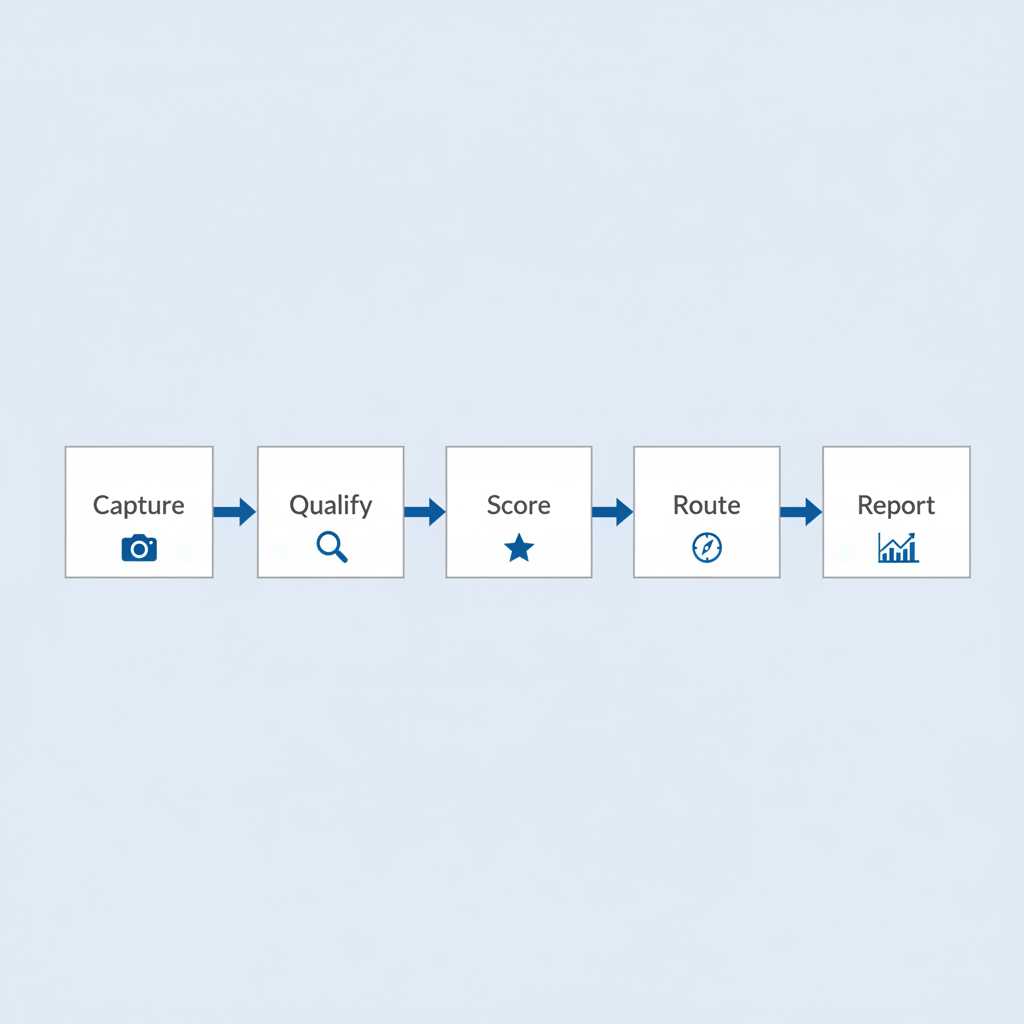
Every lead management system worth using performs five jobs. Understanding them is the fastest way to evaluate any tool, whether it is a CRM or an agency distribution platform.
- Capture: Ingest leads from web forms, landing pages, ad platforms, phone calls, and vendor feeds. The best systems accept leads by webhook, API, and posted form so no source is left out.
- Deduplication: Detect and merge duplicate records before they reach a rep or buyer. Duplicates inflate cost and damage trust, which is why dedicated duplicate lead detection matters so much for high-volume operations.
- Scoring: Rank leads by likely value using rules or models.
Lead scoringputs sales-ready prospects at the top so attention goes where revenue is. - Routing: Send each lead to the right owner, rep, or buyer based on geography, lead type, capacity, or bid. This is where a
lead manager crmand an agency platform diverge most sharply. - Reporting: Show what is working through a reporting dashboard: source attribution, acceptance rate, conversion, and return on spend.
A tool that nails capture and pipeline tracking but ignores deduplication and routing speed will still leak money. Those last two jobs are where most operations quietly lose revenue.
Lead Management vs CRM vs Lead Distribution
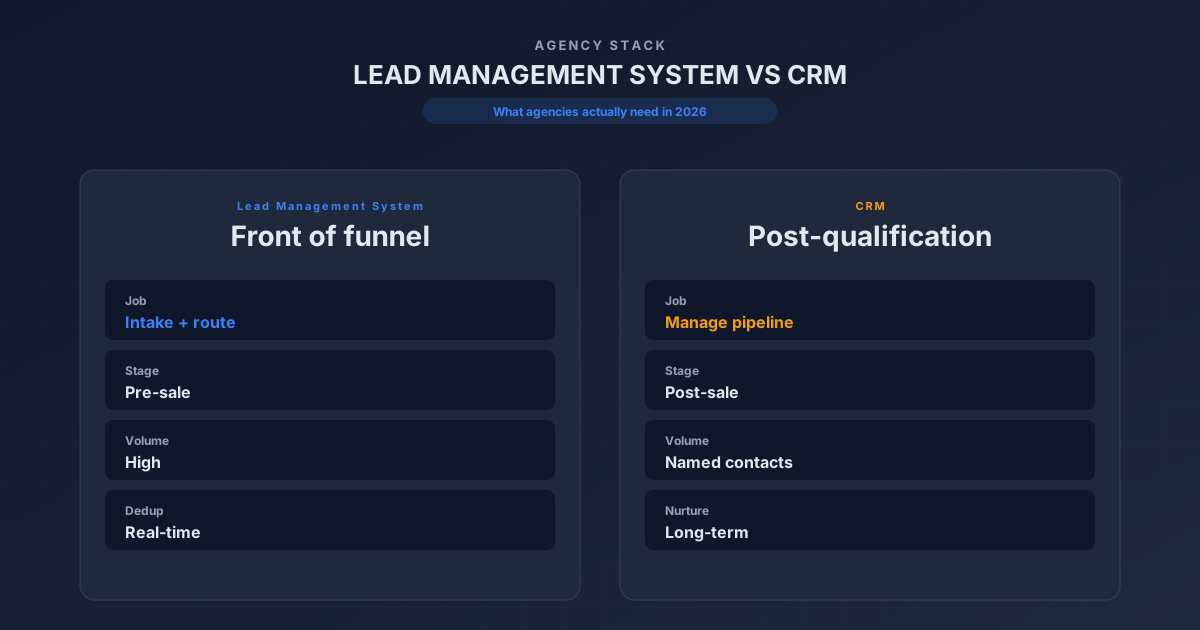
The phrase crm lead management gets used as if a CRM and a lead management system are identical. They overlap, but they are not the same, and the distinction matters enormously for agencies. A CRM is built around relationships and a single company's sales pipeline. A lead distribution platform is built around moving leads at volume to multiple destinations. Lead management is the broader concept that both fall under.
Here is how the three compare for an agency that buys, sells, or routes leads:
| Capability | Traditional CRM | Lead Distribution Platform | Best Fit |
|---|---|---|---|
| Core job | One company's sales pipeline | Route leads to many buyers or reps | Depends on model |
| Distribution methods | Basic round robin or manual assignment | Round Robin, Weighted, Priority/Waterfall, Ping-Post | Distribution platform |
| Buyer or partner billing | Not built in | Per-buyer caps, acceptance tracking, returns | Distribution platform |
| Pipeline and deal stages | Deep, native | Lighter, routing-focused | CRM |
| Real-time routing speed | Seconds to minutes | Sub-second on inbound | Distribution platform |
| Profit and loss by source | Add-ons or manual | Native cost-vs-revenue reporting | Distribution platform |
If you run your own sales team and nurture deals over weeks, a CRM is your lead management software. If you ingest leads and resell or route them to buyers and rep teams, you need the distribution layer. Many agencies run both, with Lead Distro AI handling the routing and a CRM handling long-cycle nurture. To go deeper on the routing side, read our explainer on what lead routing is and how it works.
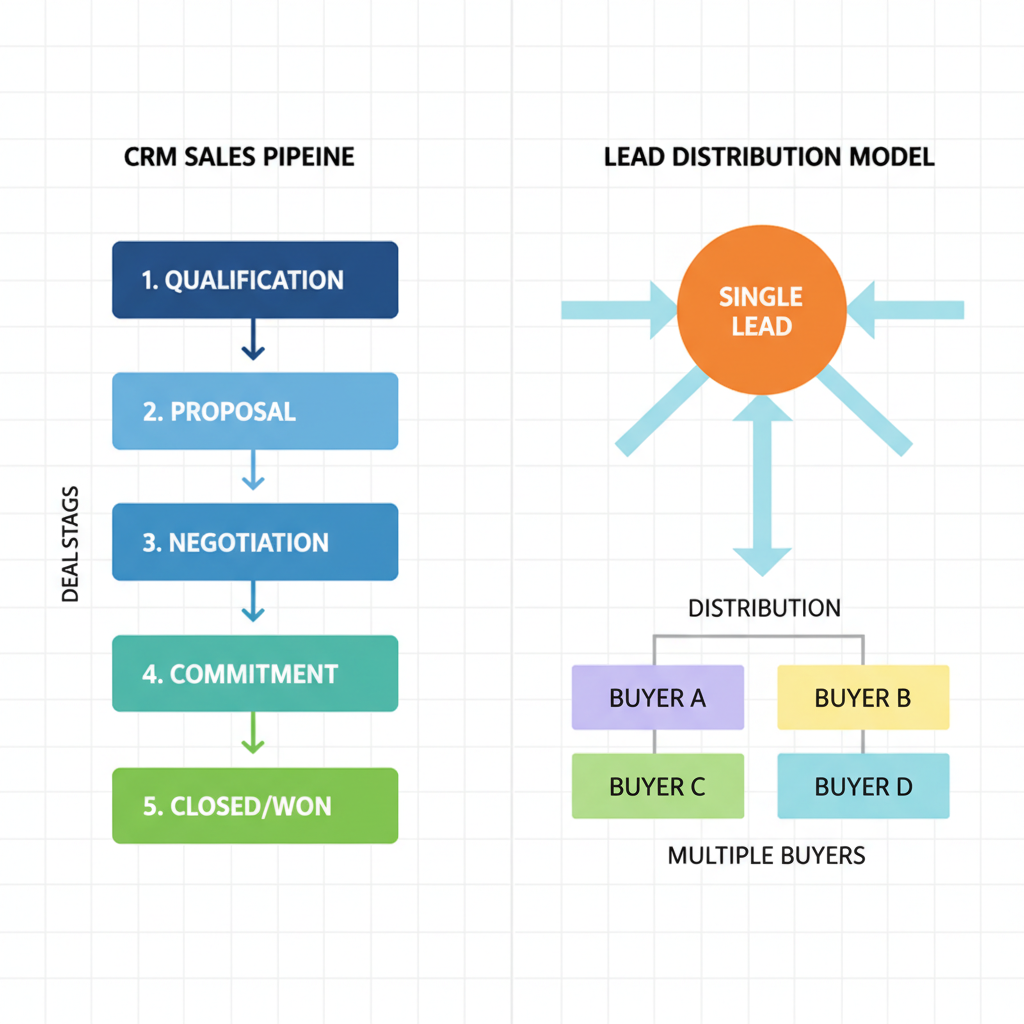
Why Routing Speed and Method Matter
Routing is the part of lead management software that most directly affects revenue, and it is the part traditional CRMs handle weakest. Speed is the first reason. Classic research published in the Harvard Business Review found that firms contacting a lead within an hour were far more likely to qualify it than those that waited 24 hours, and the odds dropped sharply with every additional hour of delay. When you distribute leads to buyers or reps, every second a lead sits unrouted is conversion lost.
Method is the second reason. A lead manager crm typically offers simple round robin or manual handoff. An agency needs more. Lead Distro AI supports four distribution methods: Round Robin spreads volume evenly, Weighted favors higher-performing buyers, Priority (also called Waterfall) offers each lead to buyers in a ranked order until one accepts, and Ping-Post lets buyers bid on a lead's data before the full record is delivered. For an operator selling auto-accident or insurance leads, choosing the right method per campaign is the difference between a profitable feed and a churning one. Our guide on automated lead routing rules covers how to configure each method.
"The biggest mistake agencies make is treating lead distribution like a CRM problem," says Rafael Hernandez, Founder and CEO of Lead Distro AI. "A CRM assumes one team works the lead over time. When you resell leads, the lead is gone in seconds and the only thing that protects your margin is fast, rule-based routing plus clean deduplication. Get those two right and everything else is reporting." That distinction is why crm lead management and agency distribution, though both fall under lead management, demand fundamentally different tools.
Lead Tracking and Reporting: Knowing What Converts
Lead tracking software is the reporting half of lead management, and it answers the only question that matters: where does revenue actually come from? Tracking ties every lead back to its source, its journey through the pipeline or routing flow, and its final outcome. Without it, you are guessing which vendor, campaign, or buyer is worth your money.
For an agency, the tracking that matters most is cost versus revenue per source. A lead source can look great on volume and terrible on margin once you account for what you paid and what buyers accepted. This is why acceptance rate and source attribution belong on the same dashboard as conversion. A reporting dashboard that shows return on spend per feed lets you cut losers fast and scale winners. Most general-purpose CRMs bolt reporting on as an afterthought, which is why agencies often pair them with purpose-built lead reporting tools. The original insight from running Lead Distro AI is simple: the operators who win are not the ones with the most leads, they are the ones who measure acceptance and margin per source weekly and reallocate spend before a bad feed compounds.

How to Choose Lead Management Software
Choosing lead management software starts with one question: do you work every lead yourself, or do you route leads to many buyers or rep teams? That answer tells you whether you need a CRM-first tool or a distribution-first platform. From there, evaluate against the five core jobs and your real volume.
A short evaluation checklist:
- Match the model. A solo team nurturing deals needs a CRM. An agency buying and reselling leads needs a distribution platform with ping-post and per-buyer caps.
- Test deduplication. Send known duplicates and confirm the system catches them before delivery.
- Measure routing latency. Inbound leads should route in well under a second for live-transfer and ping-post models.
- Demand source-level profit and loss. If you cannot see margin by feed, you cannot scale safely.
- Check the integrations. Webhooks, an open lead distribution API, and native CRM integration keep your stack connected.
- Confirm pricing fits volume. Lead Distro AI starts at $297 per month, with volume-based tiers above that as you scale.
When in doubt, run a paid pilot on one real campaign rather than a sandbox. Real leads, real buyers, and real acceptance data will tell you in two weeks what a demo cannot.
Common Lead Management Mistakes Agencies Make
The most expensive lead management failures are rarely about the software's feature list. They come from how the system is configured and watched. Across operators running high-volume feeds, four mistakes show up again and again, and each one is fixable.
The first is treating volume as the only metric. A feed that delivers two thousand leads a month looks healthy until you check acceptance rate and margin per source, at which point a high-volume feed can be the least profitable one you run. The second is ignoring deduplication until buyers complain. Once a buyer flags duplicates, trust is already damaged, and trust is the asset that lets you charge premium rates. The third is slow routing, which a lead manager crm quietly causes because it was never designed for sub-second delivery to competing buyers.
The fourth, and most overlooked, is failing to act on the reporting you already have. A reporting dashboard that nobody reviews weekly is just decoration. The agencies that scale are the ones that read acceptance and return on spend every week and reallocate budget before a declining feed compounds. Good lead tracking software makes that review take minutes instead of hours, which is the entire point of having it.
FAQ
What is lead management software?
Lead management software is a system that captures, organizes, tracks, scores, and routes leads from the moment they arrive until they convert or are sold. It replaces scattered spreadsheets, inboxes, and form notifications with one source of record where every lead has a status, a source, and an owner. For a single sales team it usually takes the form of a CRM pipeline. For an agency that distributes leads to many buyers, it takes the form of a lead distribution platform that routes and reports at volume.
Is a lead management system the same as a CRM?
Not exactly. A CRM is a type of lead management system focused on one company's relationships and sales pipeline, with deep deal stages and contact history. Lead management is the broader category, and it also includes distribution platforms built to route leads to multiple buyers or rep teams. If you nurture deals over weeks with your own team, a CRM is your lead management tool. If you ingest and resell leads at volume, you need distribution features a standard CRM does not provide, like ping-post and per-buyer caps.
What features should lead management software have?
Strong lead management software performs five jobs well: capture from every source, deduplication before delivery, scoring to prioritize sales-ready leads, routing to the right owner or buyer, and reporting that shows return on spend. For agencies, add per-buyer caps, acceptance tracking, multiple distribution methods, and source-level profit and loss. The two features operators most often underweight are deduplication and routing speed, which is where revenue quietly leaks when they are weak.
How much does lead management software cost?
Pricing varies widely by model. General CRM tools range from free starter tiers to per-seat plans, while agency distribution platforms price on volume. Lead Distro AI starts at $297 per month with volume-based tiers above that, and includes a 7-day free trial (a credit card is required to start, and you can cancel anytime during the trial). When comparing costs, weigh the platform fee against the revenue a faster, cleaner routing layer recovers, since a single mishandled feed can cost more than a year of subscription.
How does lead distribution software differ from lead tracking software?
Lead tracking software is the reporting side of lead management: it ties every lead to its source and outcome so you know what converts. Lead distribution software is the routing side: it sends each lead to the right buyer or rep using methods like round robin, weighted, priority or waterfall, and ping-post. The best agency platforms combine both, so you route leads in real time and immediately see acceptance rate and margin by source on the same reporting dashboard.
Conclusion
Lead management software is the system that keeps leads from falling through the cracks, and the right version depends entirely on your model. If you work every lead with your own team, a CRM is your lead management tool. If you buy, sell, and route leads at volume, you need the distribution layer: fast routing, real deduplication, multiple distribution methods, and source-level profit and loss reporting. Lead Distro AI was built for that second job, pairing four distribution methods with real-time P&L so agencies can scale the feeds that work and cut the ones that do not.
Ready to see how AI-powered lead distribution fits into your lead management stack? Start your 7-day free trial and route your first lead in minutes.
About the Author
Founder & CEO of Lead Distro AI & Great Marketing AI
UC Berkeley graduate and former software engineer at Microsoft. Rafael built Lead Distro AI after managing over $10M in ad spend for performance marketing agencies (pay-per-lead and pay-per-call), including running campaigns for Neil Patel. He combines deep software engineering expertise with hands-on performance marketing experience to build tools that help these agencies scale profitably.
About Lead Distro AI
Lead Distro AI: Capture, Route, and Sell Every Lead, Call, and Appointment
The modern platform for pay-per-lead and pay-per-call agencies. Route, score, and deliver leads with AI-powered automation and real-time P&L tracking. Built for performance marketing agencies and lead buyers across legal, insurance, mortgage, solar, and home services verticals.
4 Distribution Methods
Waterfall, Round Robin, Weighted, Ping-Post
Ping-Post Auctions
Real-time bidding with sub-second routing
Real-Time P&L Reporting
Track revenue, costs, and profit per campaign
Call Tracking
Assign tracking numbers, record calls, and attribute conversions
Lead Scoring
Score every lead before routing to maximize conversion
Partner Portal
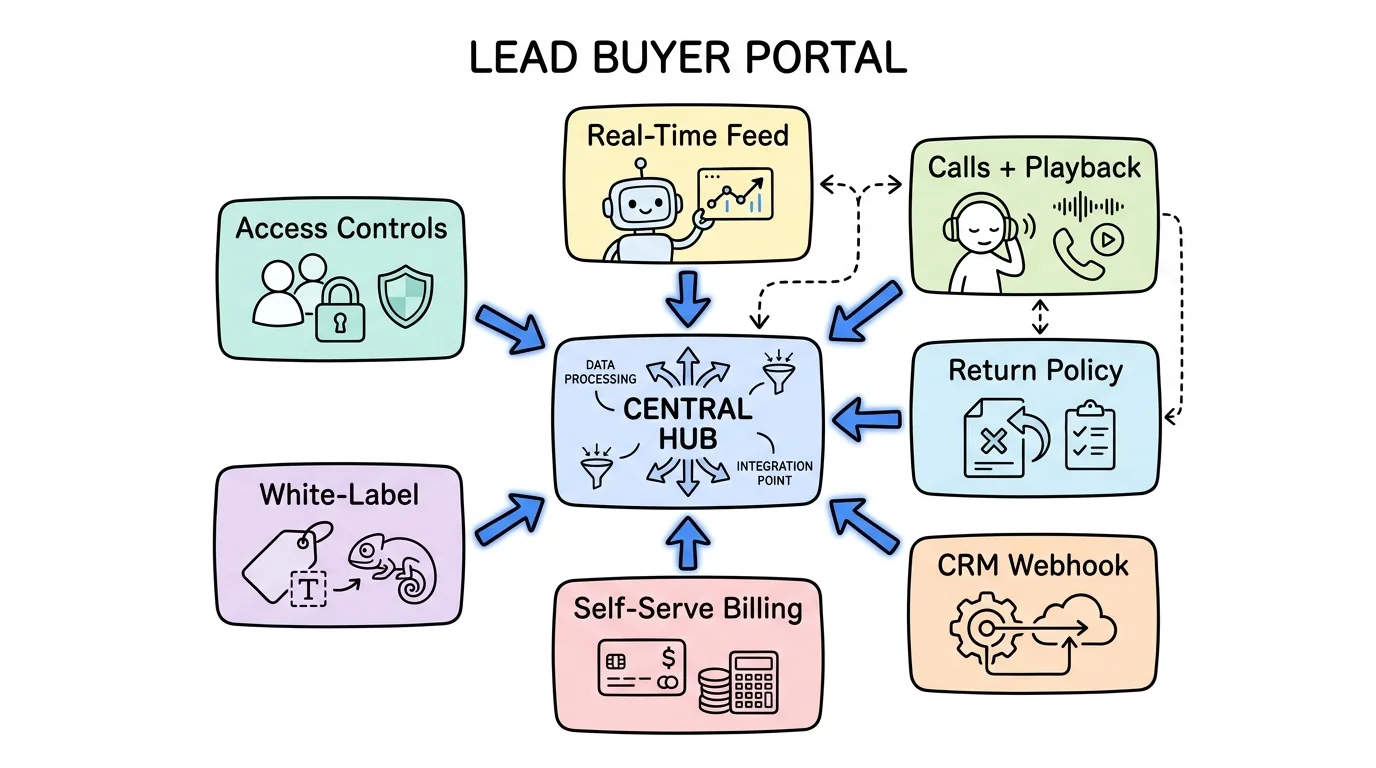
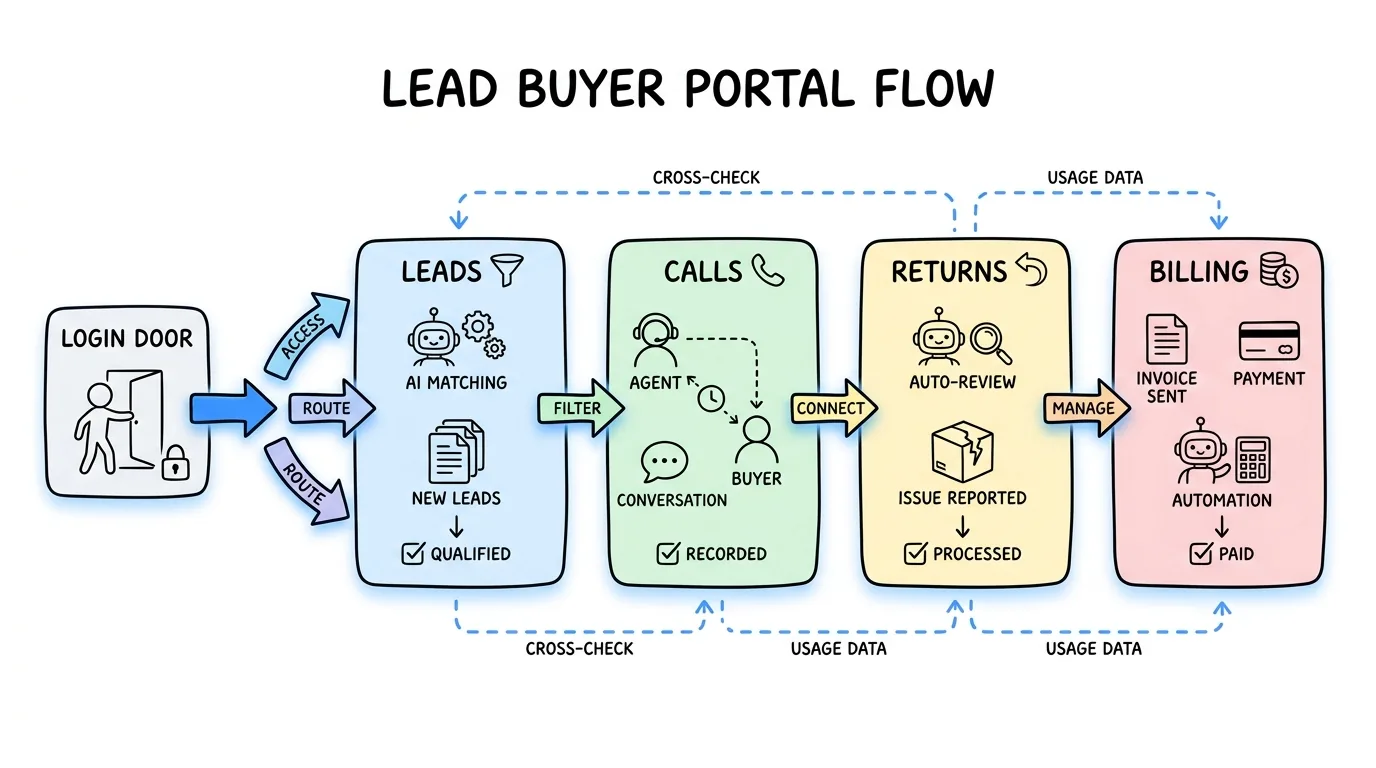
Self-serve dashboard for buyers to track leads