How to Start an Insurance Lead Generation Agency (2026 Guide)
Learn how to start an insurance lead generation agency: licensing rules, TCPA compliance, startup capital, sub-vertical picks, and distribution models.

Rafael Hernandez
Founder & CEO
Ex-Microsoft SWE · $10M+ PPL ad spend
I hope you enjoy reading this blog post. If you want to try Lead Distro AI for free, click here.
Author: Rafael Hernandez | Founder & CEO of Lead Distro AI
Starting an insurance lead generation agency means building a business that captures consumer inquiries for auto, health, life, Medicare, or final expense coverage and sells each one to licensed agents, carriers, or call centers at a fixed price. Unlike a general pay per lead agency, an insurance lead generation agency has to navigate state-by-state producer licensing questions, TCPA consent rules written specifically for phone and text solicitation, and buyers (major carriers especially) who increasingly expect a TrustedForm or Jornaya consent certificate attached to every lead. The good news: in most states, you do not need an insurance producer license to generate and sell leads, only to sell or negotiate the policy itself. The work is choosing a sub-vertical, getting your compliance stack right before your first campaign launches, and building automated distribution so you can sell the same lead flow to more than one buyer.
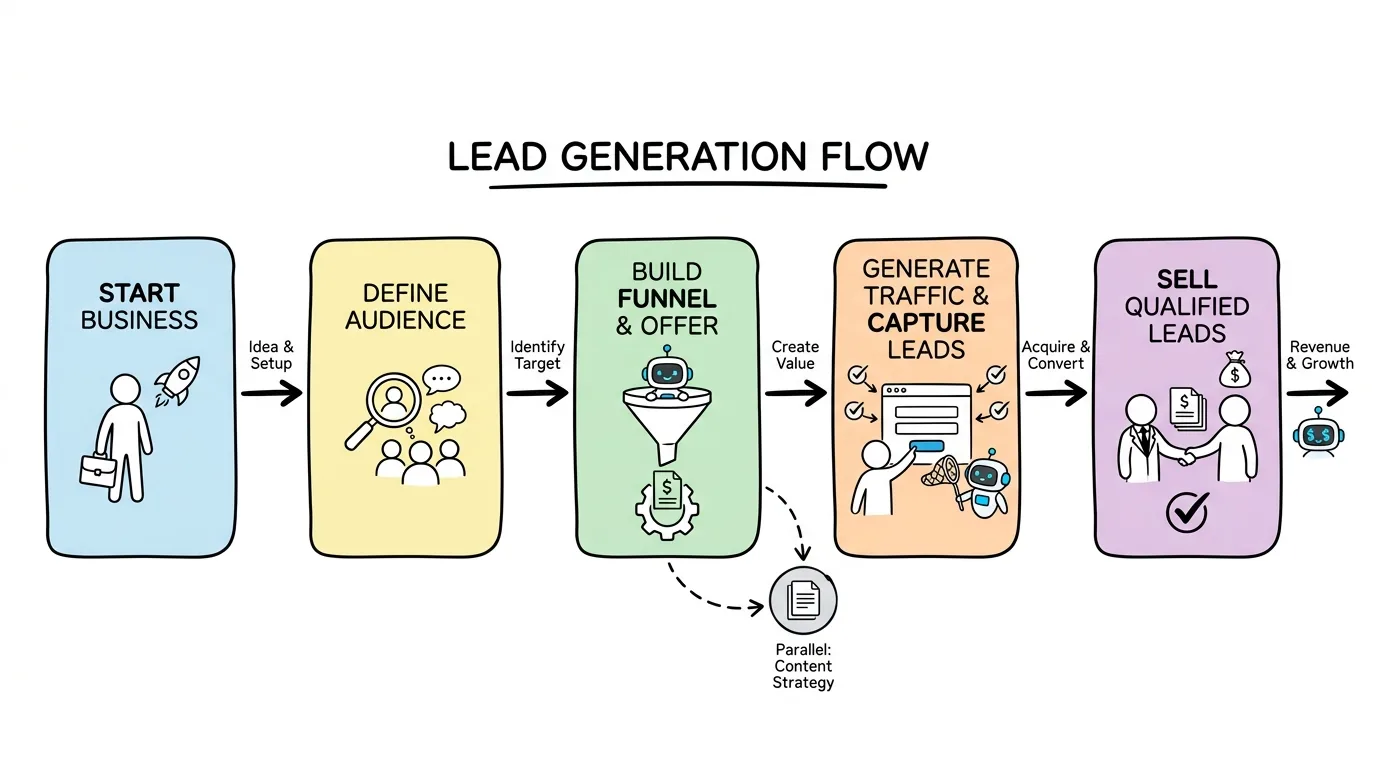
The U.S. insurance industry wrote $1.7 trillion in net premiums in 2024, according to data reported by the Insurance Information Institute, and every one of those policies started with someone shopping for coverage online, on the phone, or through a referral. This guide walks through exactly how to start an insurance lead generation agency in 2026: which sub-vertical to pick first, whether you need a license, how to build a compliant intake and consent stack, what startup capital actually looks like, and how to price and route leads once you have buyers lined up.
Key Takeaways
- You generally do not need an insurance producer license to start an insurance lead generation agency, as long as you sell contact data and never "sell, solicit, or negotiate" insurance yourself. Verify this against your state's specific rules before launch.
- TrustedForm and Jornaya consent certificates are non-negotiable for insurance buyers. Insurance buyers expect documented, timestamped proof of consent attached to the record.
- Auto and home insurance are the easiest sub-verticals to enter, with high buyer availability and lower compliance friction than life, Medicare, or final expense leads.
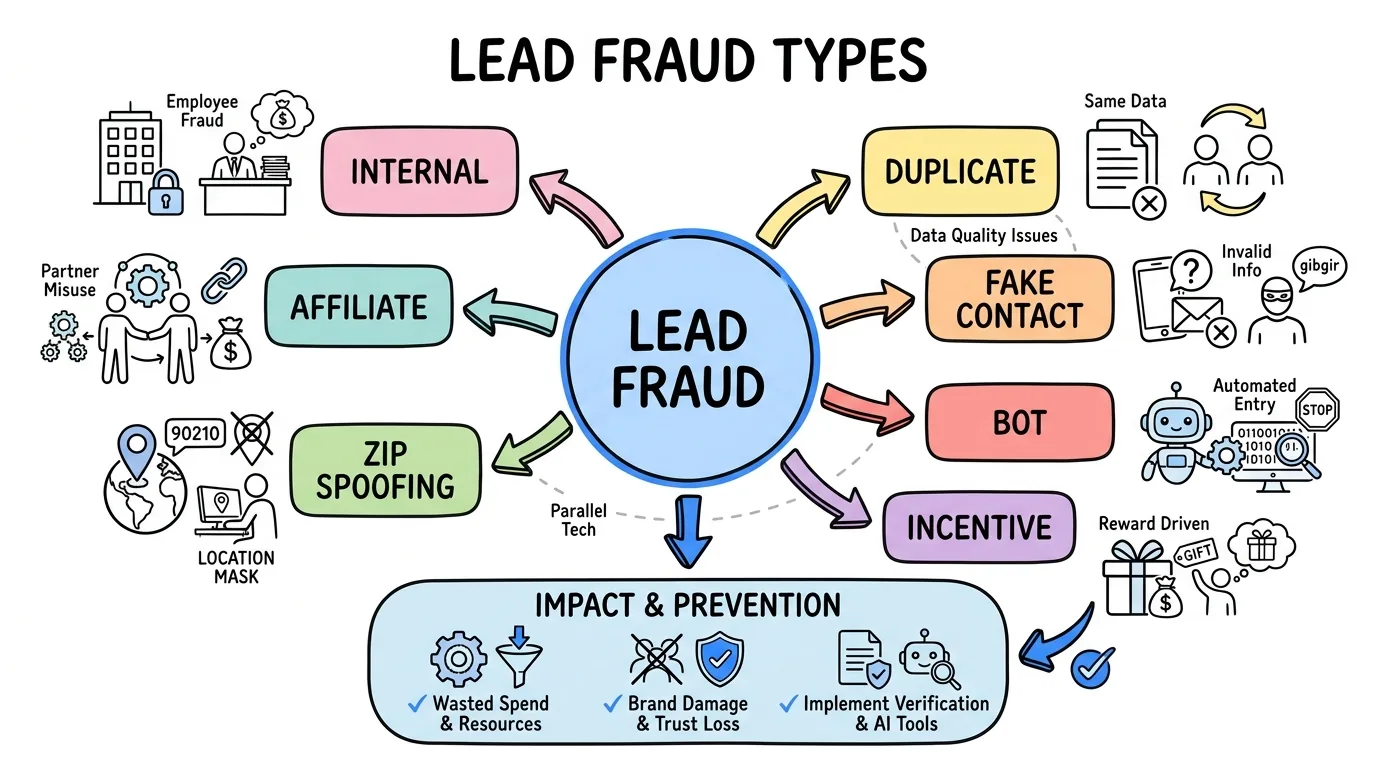
- TCPA violations carry statutory damages of $500 to $1,500 per unauthorized call or text. Build consent language and TrustedForm capture into your forms from day one, not after your first campaign.
- You can launch an insurance lead generation agency for $3,000 to $6,000, covering test ad spend, a distribution platform, and optional errors and omissions coverage.
- A minimum viable buyer network is 3 to 5 active buyers per sub-vertical, split across direct carriers, independent agents, and pay per call or ping post networks.
What Is an Insurance Lead Generation Agency?
An insurance lead generation agency is a business that generates consumer inquiries about auto, home, health, life, Medicare, or final expense coverage and sells each qualified inquiry to a licensed buyer, typically an independent agent, a captive carrier, an aggregator, or a call center. This is different from insurance lead generation as a practice, which covers how leads are sourced, priced, and distributed once your agency already exists. Starting the agency itself is a separate problem: choosing a sub-vertical, deciding whether to pursue a license, standing up compliant intake forms, and finding your first buyers before you have spent a dollar on ads.
The business model mirrors a standard pay per lead agency, with one critical difference: insurance is a regulated product, so the compliance layer determines whether you have a business or a liability. A lead-gen operation that treats insurance leads like home services leads (informal consent, no TrustedForm, no licensing review) tends to lose its buyer relationships within the first two open enrollment cycles.
Do You Need an Insurance License to Sell Leads?
In most states, an insurance lead generation agency does not need a producer license, because generating and selling contact information is legally distinct from "selling, soliciting, or negotiating" an insurance policy. That distinction comes from the NAIC Producer Licensing Model Act, which most states have adopted in some form: sharing referral fees with unlicensed parties is generally permitted as long as the unlicensed party never advises on coverage, quotes a rate, or binds a policy.
Legal analysis from Bressler, Amery & Ross confirms the practical line: a lead generation company can capture and sell contact information without a producer license, but the line between an allowable referral and an impermissible solicitation gets blurry fast when a business starts qualifying calls with coverage advice or presenting itself as an insurance provider. Keep your forms and scripts limited to data capture and interest qualification (name, contact info, coverage type, basic eligibility questions) and you generally stay outside licensing requirements.
If you decide to pursue a resident producer license anyway (some founders do, to unlock direct carrier relationships or run a hybrid agency-plus-lead-gen model), budget for it. Most candidates spend $300 to $600 all-in on a resident license, according to FirstConnect's 2026 state-by-state breakdown, covering the pre-licensing course, state exam fee, application fee, and fingerprinting. A non-resident license in additional states is faster: under the NAIC's reciprocity standard, a home-state license in good standing gets granted in other states without a second exam, verified through NIPR.
Step 1: Choose Your Insurance Sub-Vertical
Insurance is not one market, it is five or six distinct markets stacked under the same regulatory umbrella. Each sub-vertical has a different buyer pool, a different compliance profile, and a different entry difficulty for a brand-new insurance lead generation agency.
| Sub-Vertical | Entry Difficulty | Buyer Availability | Compliance Load | Best First Move |
|---|---|---|---|---|
| Auto Insurance | Low | Very High | Medium (state rate rules) | Best starter vertical, highest buyer liquidity |
| Home Insurance | Low | High | Low | Pair with mortgage or real estate partnerships |
| Health / ACA | Medium | High, seasonal | High (CMS marketing rules) | Time launch to Open Enrollment (Nov to Jan) |
| Life Insurance | Medium | Medium | Medium | Longer sales cycle, needs buyer patience |
| Medicare | High | Medium, seasonal | Very High (CMS + state) | Wait until you have a compliance process proven elsewhere |
| Final Expense | Medium | Medium | Medium | Strong margins, older demographic needs careful consent |
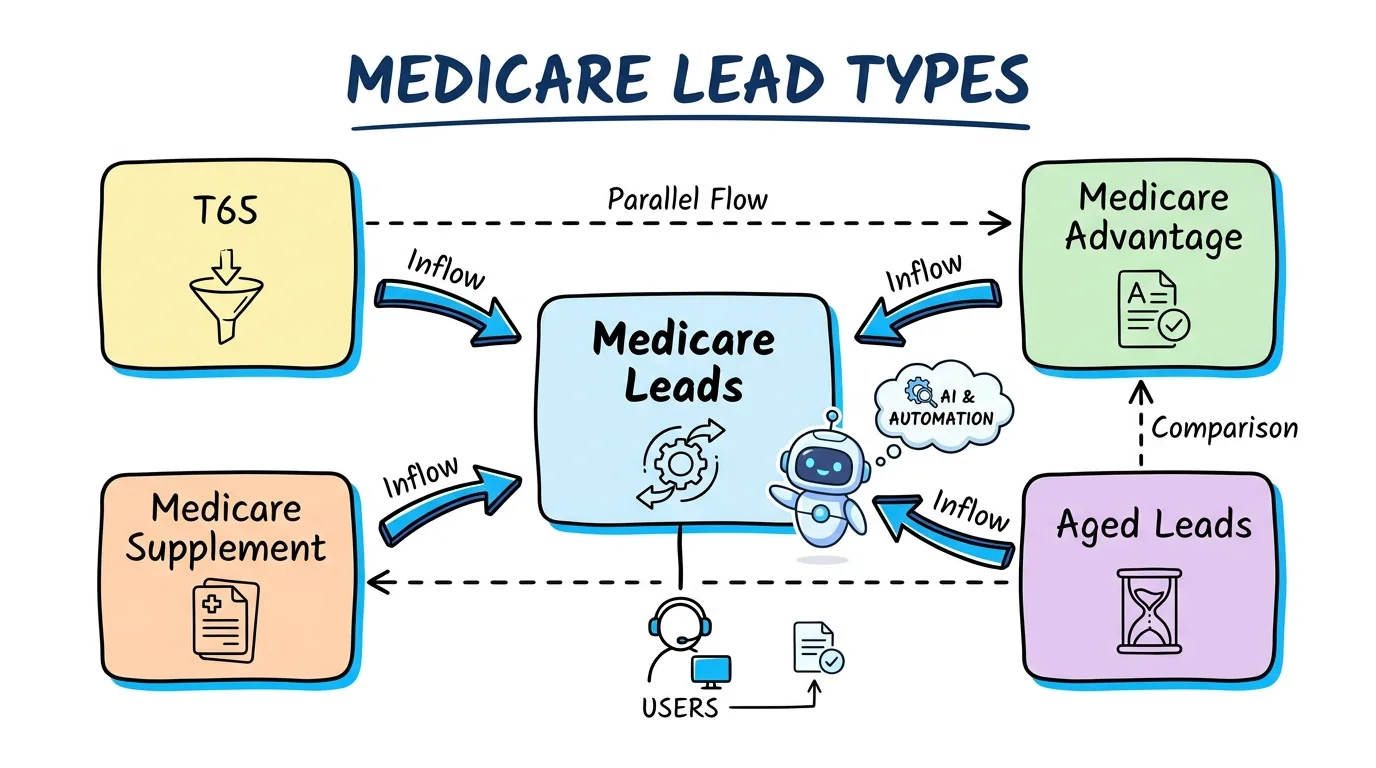
Auto insurance is the most forgiving entry point for a new agency: buyer demand is constant year-round, licensing requirements vary but rarely block a pure lead-gen model, and the full pricing benchmarks for auto insurance leads are well documented if you want deeper numbers before committing ad spend. Health and Medicare leads carry the highest compliance load because the Centers for Medicare & Medicaid Services layers its own marketing rules on top of TCPA and state insurance law, so most new agencies wait until their intake and consent process is proven in a simpler vertical before touching Medicare Advantage or Medicare Supplement leads.
Step 2: Build Your Compliance Stack Before You Launch a Single Campaign
This is the step that separates an insurance lead generation agency from a generic lead-gen shop, and it is where most new agencies either get it right from day one or spend their first year rebuilding buyer trust.
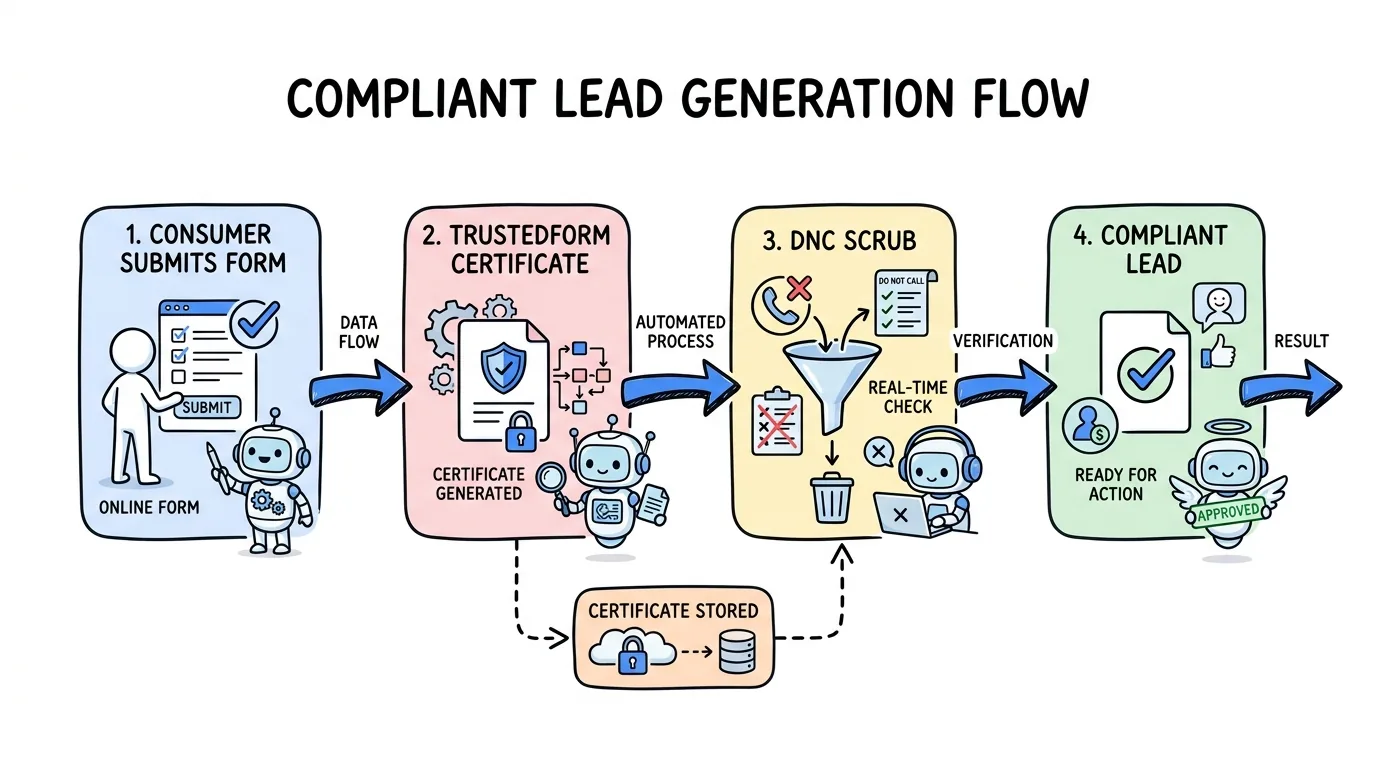
TCPA consent language and documentation. The Telephone Consumer Protection Act governs how you can contact consumers by phone or text, and it applies with particular force to insurance leads because so much of the industry runs on live transfers and outbound qualification calls. The Federal Communications Commission sets statutory damages at $500 per violation, trebled to $1,500 for willful violations. The FCC's 2023 "one-to-one consent" rule, which would have required consent to name a single specific seller rather than a list of marketing partners, was vacated by the Eleventh Circuit in January 2025 before it took effect, so the prior express written consent standard still governs as of 2026. Do not assume that permanence; build your forms to the stricter one-to-one standard anyway, because insurance buyers increasingly require it as a purchasing condition regardless of what federal law mandates.
TrustedForm or Jornaya on every form. Insurance buyers increasingly ask for a TrustedForm certificate or Jornaya LeadiD on every lead, and ActiveProspect says more and more lead buyers rely on vendors to certify leads with TrustedForm, because it documents consent if a class action challenges it. This is table stakes, not a nice-to-have, for any insurance lead distribution software you route through.
Errors and omissions coverage. Even without a producer license, most insurance lead generation agencies carry E&O coverage because a single mishandled consent dispute can cost more than a year of premiums. Small-business E&O for a lead-gen operation typically runs $300 to $1,000 per year for a starting agency, based on 2026 industry cost data.
Step 3: Calculate Your Starting Capital
An insurance lead generation agency does not require the working capital of a traditional insurance agency (no book of business to purchase, no carrier appointments to fund), but it does require enough cash to survive the gap between ad spend and your first buyer payment.
| Cost Category | Typical Range | Notes |
|---|---|---|
| Test ad spend (first 60 days) | $1,500 - $3,000 | Google Ads or Meta, one sub-vertical, one geography |
| Distribution platform | $297/mo | Lead Distro AI Starter tier, 7-day free trial, credit card required |
| TrustedForm certificates | Free to issue; $0.06 - $0.15 per retained certificate | ActiveProspect pay-as-you-go rates by volume, $10/mo minimum (as of September 2026) |
| Landing page tools | $50 - $200/mo | Unbounce, Leadpages, or a custom build |
| Errors and omissions insurance (optional) | $300 - $1,000/yr | Recommended even without a producer license |
| Producer license (optional) | $300 - $600 | Only if pursuing direct carrier appointments |
All in, a lean insurance lead generation agency launches for $3,000 to $6,000, with the majority going into test ad spend rather than tooling. That is roughly in line with the capital requirement for a general pay per lead agency, with the compliance line items (TrustedForm, optional E&O) as the insurance-specific addition.
Step 4: Choose Your Distribution Model
Insurance lead margins run thinner than legal or home services leads on a per-unit basis (a shared auto lead might sell for $8 to $15), which makes automated, multi-buyer distribution more important than in almost any other vertical.
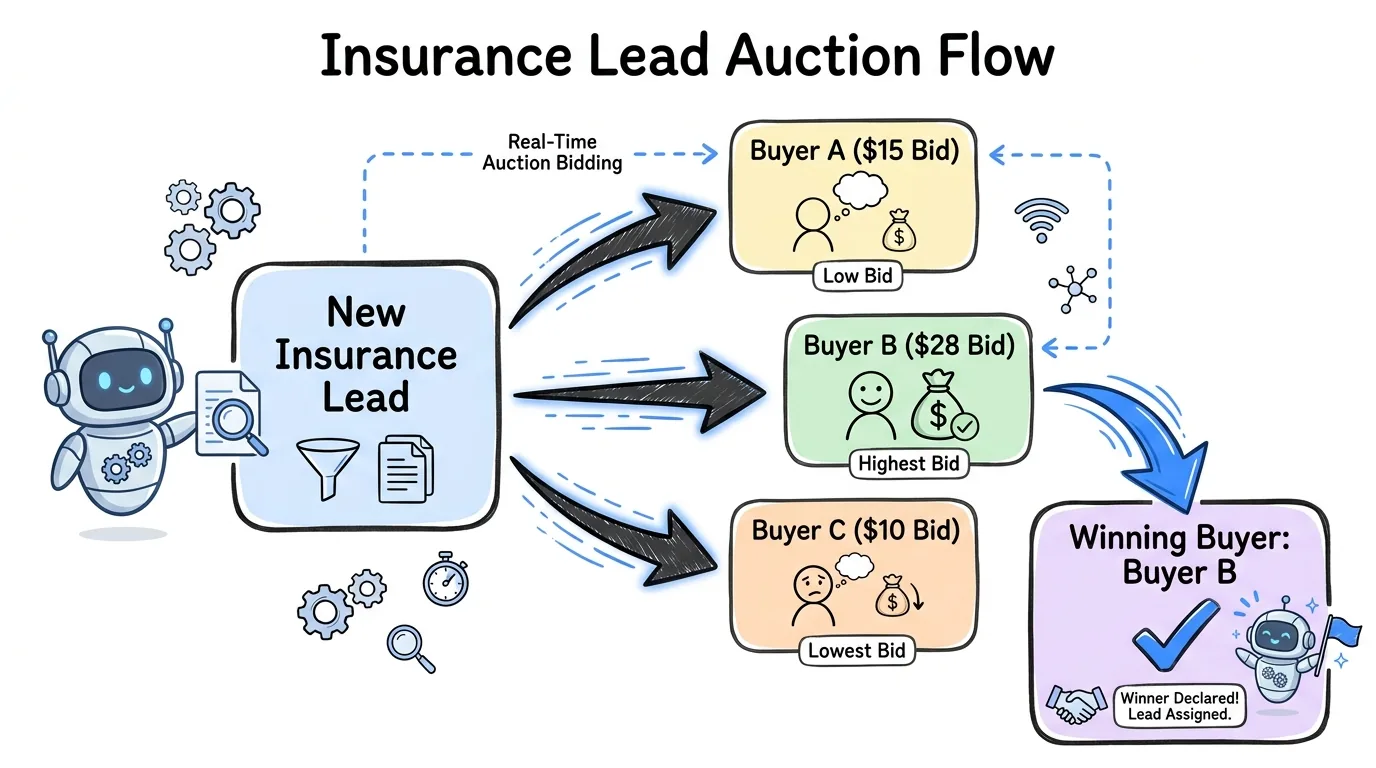
Ping-post auctions are the industry default for insurance. Multiple buyers bid on each lead in real time, the highest bidder wins the sale, and your revenue per lead rises without you doing anything beyond adding buyers to the auction. Weighted or priority routing works better for exclusive relationships, where you have negotiated a fixed price with one or two anchor buyers and want overflow to route elsewhere only when they hit their daily cap. Round robin is the simplest model, useful when your buyer pool is small and roughly equal in quality.
Whichever model you pick, sub-vertical filtering has to be a hard rule, not a manual process. Auto leads should never route to a life insurance buyer, and a buyer licensed only in Texas should never receive a California lead. Lead Distro AI handles ping-post, weighted, priority, and round robin routing with sub-vertical and state-licensing filters built in, along with lead scoring and TrustedForm field mapping, so you are not building this logic from scratch in a spreadsheet.
Step 5: Find and Onboard Your First Buyers
Your buyer network determines whether your agency survives. A single-buyer agency has zero negotiating leverage and one point of failure if that buyer's budget dries up mid-quarter.
Where insurance lead buyers come from:
- Direct outreach to independent agents. Local independent agents and agencies are often the fastest path to your first sale, since they buy leads directly without a network taking a cut.
- Captive carrier lead programs. Some carriers run their own lead-buying desks for agents in their network; these require more vetting but pay reliably at scale.
- Insurance lead aggregators and networks. Platforms that already have carrier relationships will onboard a new supplier faster than carriers will, at a lower per-lead price in exchange for volume.
- Existing buyers of other verticals expanding into insurance, especially agencies you already know from a pay per call agency network in an adjacent space like home services or legal.
Aim for 3 to 5 active buyers per sub-vertical before you consider your buyer network minimally viable. Fewer than that and a single lost relationship can take your revenue to zero overnight.
Insurance Lead Gen Agency vs. General Pay Per Lead Agency
| Factor | Insurance Lead Gen Agency | General Pay Per Lead Agency |
|---|---|---|
| Licensing consideration | Usually none required, but must avoid "solicitation" | Rarely applicable |
| Consent documentation | TrustedForm or Jornaya required by most buyers | Varies by vertical, less standardized |
| Regulatory bodies involved | State DOI, NAIC guidance, CMS (health/Medicare) | State-level consumer protection, TCPA |
| Typical lead price (shared) | $3 - $30 depending on sub-vertical | $15 - $80 depending on niche |
| Buyer concentration | High (carriers dominate specific sub-verticals) | Fragmented across many small businesses |
| Seasonality | Sharp (Open Enrollment, Medicare AEP) | Mostly steady, some seasonal niches |
The core mechanics (generate demand, capture consent, route to buyers, get paid per delivered lead) are identical to any pay per lead agency. What changes is the regulatory floor you have to clear before your first campaign goes live, and the concentration of buying power in a smaller number of large carriers and aggregators.
"The agencies that survive their first Open Enrollment season are the ones that built TrustedForm and consent documentation into their forms before they needed it, not after a buyer asked for it," says Rafael Hernandez, Founder and CEO of Lead Distro AI. "Insurance buyers do not give second chances on compliance the way a home services contractor might."
Step 6: Price and Scale
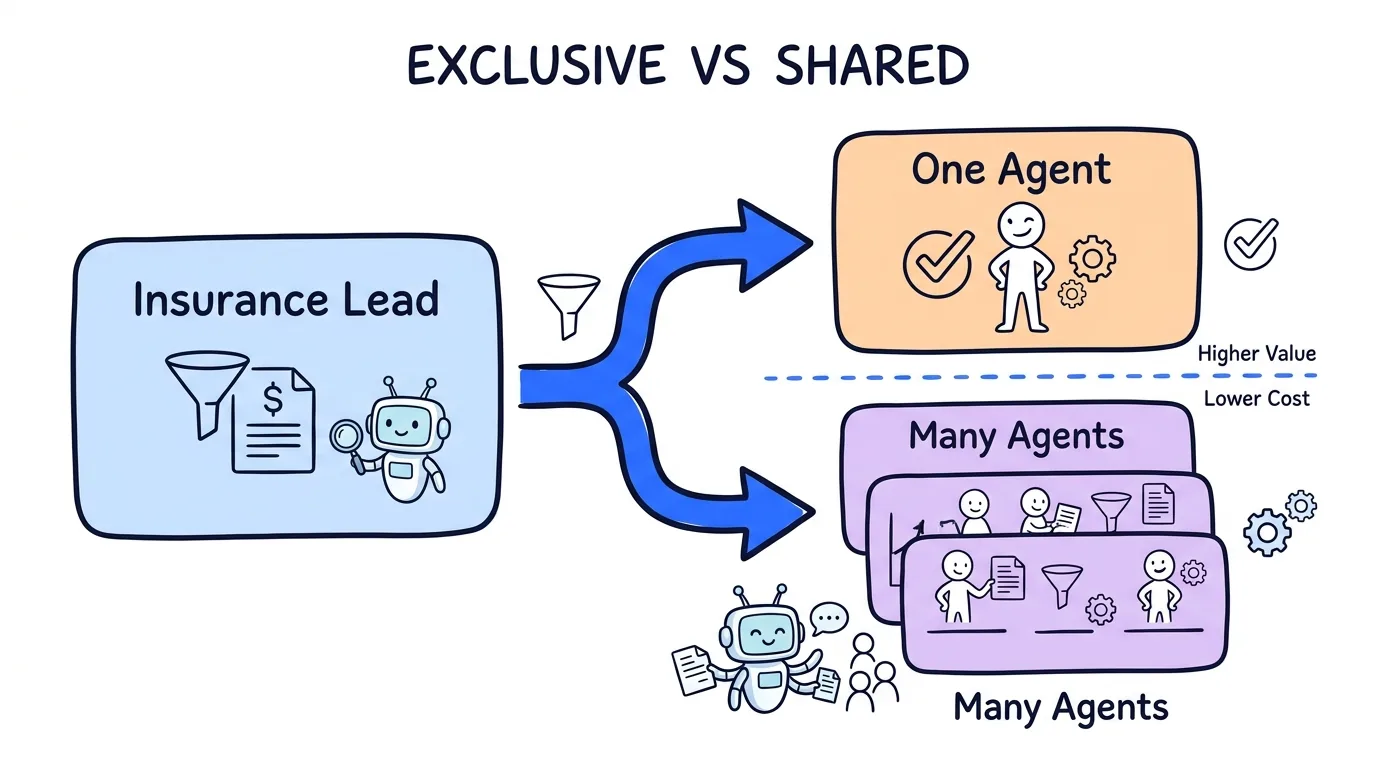
Insurance lead pricing runs on tighter margins than most verticals, which is exactly why automated routing and multi-buyer auctions matter so much here. Shared auto leads commonly sell for $3 to $15, while exclusive life or Medicare leads can command $30 to $80 or more. For the complete pricing breakdown by sub-vertical and lead type, see our insurance lead generation guide and our dedicated post on exclusive insurance leads, which covers when exclusivity pricing actually pays for itself.
Scale by adding buyers before you add ad spend. A new insurance lead generation agency with 8 buyers bidding on the same auto lead pool earns meaningfully more per lead than one with 2 buyers, even at identical traffic volume. Once your first sub-vertical is profitable, expanding into a second (auto to home, or health to life) reuses your compliance stack and distribution setup almost entirely, which is the fastest path to doubling revenue without doubling operational complexity.
FAQ
Do I need an insurance license to start a lead generation agency?
Generally no. Generating and selling insurance leads is legally distinct from selling, soliciting, or negotiating insurance policies, which is what triggers producer licensing requirements under the NAIC Producer Licensing Model Act most states have adopted. Keep your forms limited to contact and interest data, never quote rates or give coverage advice, and confirm the specifics with your state's Department of Insurance before launch.
How much does it cost to start an insurance lead generation agency?
Most founders launch for $3,000 to $6,000, covering 60 days of test ad spend ($1,500 to $3,000), a distribution platform (Lead Distro AI starts at $297/month with a 7-day free trial, credit card required), TrustedForm certificates (free to issue, $0.06 to $0.15 per retained certificate as of September 2026), and landing page tools running $50 to $200 per month. Optional errors and omissions coverage adds $300 to $1,000 per year, and producer licensing, if you choose to pursue it, adds another $300 to $600. Most of the budget should go toward test ad spend rather than tooling.
Which insurance sub-vertical is easiest to start with?
Auto insurance is the most forgiving entry point because buyer demand stays high year-round and compliance requirements are more manageable than health, Medicare, or final expense leads. Home insurance is a close second, especially when paired with mortgage or real estate referral partnerships. Medicare and ACA health leads carry the highest compliance load because CMS marketing rules stack on top of standard TCPA requirements.
What is TrustedForm and why do insurance buyers require it?
TrustedForm is a consent verification product from ActiveProspect that generates a timestamped certificate proving a consumer saw and interacted with a specific consent form. ActiveProspect says more and more lead buyers rely on vendors to certify leads with TrustedForm, because the certificate is evidence if a TCPA class action challenges whether proper consent was obtained. Building TrustedForm into your intake and distribution platform keeps you sellable to those buyers.
How many buyers do I need before launching?
Aim for a minimum of 3 to 5 active buyers per sub-vertical before scaling ad spend. A single-buyer agency has no negotiating leverage and no backup if that buyer's budget changes mid-month or a compliance dispute takes them offline. Ping-post auctions across 5 or more buyers also raise your average revenue per lead compared to routing everything to one exclusive buyer, since competing bids push the winning price closer to what the lead is actually worth to the highest bidder.
Can I run both insurance leads and calls through the same agency?
Yes. Many agencies that start with form-based insurance leads add a pay-per-call channel once they have proven traffic sources and compliant intake, since insurance calls (especially in Medicare and final expense) often command higher payouts than form leads. The infrastructure, from a pay per call agency perspective, overlaps almost entirely with lead-based distribution once you are routing through the same platform.
How long until an insurance lead generation agency is profitable?
Most new agencies reach profitability within 60 to 90 days if they launch in a lower-compliance sub-vertical like auto or home insurance with a proven buyer already lined up before ad spend starts. Health and Medicare launches typically take longer, both because compliance review adds setup time and because Medicare's Annual Enrollment Period concentrates most of the year's volume into a roughly 8-week window from mid-October through early December.
Conclusion
Starting an insurance lead generation agency in 2026 is one of the more accessible entries into performance marketing, precisely because the licensing bar is lower than most founders assume. The real work is compliance discipline from the first form you publish, a sub-vertical choice that matches your risk tolerance, and a distribution setup that can route the same lead to multiple bidding buyers without manual intervention. Get those three right and the rest of the business (traffic generation, buyer outreach, pricing) follows the same playbook as any other pay per lead agency.
Join the conversation with other agency owners building lead and call businesses in the Great Marketing AI Skool community, and start your 7-day free trial to route your first insurance lead with TrustedForm mapping, ping-post auctions, and lead scoring built in from day one.
Ready to launch your insurance lead generation agency? Start your 7-day free trial and route your first insurance lead in minutes with sub-vertical filtering, state licensing rules, and TrustedForm field mapping built into the platform. Credit card required.
About the Author
Founder & CEO of Lead Distro AI & Great Marketing AI
UC Berkeley graduate and former software engineer at Microsoft. Rafael built Lead Distro AI after managing over $10M in ad spend for performance marketing agencies (pay-per-lead and pay-per-call), including running campaigns for Neil Patel. He combines deep software engineering expertise with hands-on performance marketing experience to build tools that help these agencies scale profitably.
About Lead Distro AI
Lead Distro AI: AI-Powered Routing for Your Leads, Calls, and Appointments
The modern platform for pay-per-lead and pay-per-call agencies. Route, score, and deliver leads with AI-powered automation and real-time P&L tracking. Built for performance marketing agencies and lead buyers across legal, insurance, mortgage, solar, and home services verticals.
4 Distribution Methods
Waterfall, Round Robin, Weighted, Ping-Post
Ping-Post Auctions
Real-time bidding with sub-second routing
Real-Time P&L Reporting
Track revenue, costs, and profit per campaign
Call Tracking
Assign tracking numbers, record calls, and attribute conversions
Lead Scoring
Score every lead before routing to maximize conversion
Partner Portal
Self-serve dashboard for buyers to track leads