Moving Leads: How to Sell, Price, and Route Them
A 2026 guide for agencies that generate moving leads: the lead types, real cost per lead, who buys them, and how lead distribution software routes them to movers fast.

Rafael Hernandez
Founder & CEO
Ex-Microsoft SWE · $10M+ PPL ad spend
I hope you enjoy reading this blog post. If you want to try Lead Distro AI for free, click here.
Author: Rafael Hernandez | Founder & CEO of Lead Distro AI
Moving leads are consumer inquiries from people planning a household or commercial relocation, sold to the moving companies, van lines, and brokers that book the jobs. For pay-per-lead and pay-per-call agencies, they are a high-velocity, high-intent vertical: every lead carries a hard deadline, the move date, and a clear budget, so the buyer who reaches the prospect first usually wins the job. According to U.S. Census Bureau data, roughly 40 million Americans move each year, about 12% of the population, and IBISWorld figures put the U.S. moving-services industry at about $23.3 billion. Demand is steady, but the lead market around it is messy: quality swings hard between shared and exclusive inventory, and a moving lead goes cold in minutes. This guide breaks down the types of moving leads, what they actually cost in 2026, where to buy and sell them, and how a lead distribution platform routes, scores, and bills each one in real time. If you buy or resell leads, you can start a 7-day free Lead Distro AI trial (credit card required) and route your first moving lead in minutes.
Lead Distro AI does not sell leads. It is software for the companies that generate moving leads and route them to buyers. If you are a moving company looking to buy leads, this guide will help you judge price and quality, but you will need a lead vendor to buy from.
Key Takeaways
- Moving leads come in three core forms: shared, exclusive, and live-transfer calls, plus a split by move type (local, long distance, and commercial), each trading price against close rate.
- Cost per lead ranges from about $5 to $85: shared moving leads run $5 to $15, exclusive moving leads $15 to $80, and live-transfer calls $25 to $85, per 2026 vendor pricing.
- A moving lead is perishable. Move dates are fixed, so speed to lead, not raw volume, decides who books the job.
- Lead distribution software is the routing layer, not a CRM. It ingests, scores, deduplicates, caps, and ping-posts each lead to the right mover in real time, then tracks margin per source and buyer.
- Brokers profit by reselling. The margin in long distance moving leads and shared inventory lives in routing the right lead to the highest bidder automatically, not in manual handling.
The Three Types of Moving Leads
Every moving lead falls into one of three delivery types, and the type sets your margin before close rate ever enters the picture.
- Shared moving leads sell to four to six movers at once. They are the cheapest inventory, but you compete on the first dial, so contact and booking rates fall sharply.
- Exclusive moving leads go to a single company the moment the consumer submits a quote request. They cost more and there is no competition on the call, so they convert far better.
- Live-transfer calls are inbound phone leads a call center has already qualified, then patches to the mover live. Intent is highest because the consumer is on the line ready to talk.
Layered on top is the move type. Local moving company leads are cheap and fast-closing; long distance moving leads and interstate van-line jobs carry a much higher ticket, so buyers pay more per lead to win them.
What Moving Leads Cost in 2026
The price of moving leads spans more than an order of magnitude, so a single cost-per-lead number is meaningless without the type attached. Based on 2026 pricing published by vendors like Network Leads, here is the working range:
| Lead Type | Typical Cost Per Lead | Close Dynamic | Best For |
|---|---|---|---|
| Shared (4 to 6 movers) | $5 to $15 | Low, you compete on speed | High-volume dialer teams |
| Exclusive (single mover) | $15 to $80 | Higher, no competition | Movers who call immediately |
| Live transfer (inbound call) | $25 to $85 | Highest intent | Closers wanting pre-qualified callers |
| Long distance / interstate | $40 to $80+ | Higher ticket per job | Van lines and long-haul movers |
The trap is judging a lead by its sticker price. What matters is the effective cost per booked move, which folds in close rate. Using illustrative numbers, a $12 shared lead booked at a 3% rate costs about $400 per move, while a $45 exclusive lead booked at 12% costs about $375, so the "expensive" lead is actually cheaper per job. For pricing your own offers as a seller, our guide to how much to charge for leads walks through the full margin math.
Where to Buy and Sell Moving Leads
There are three ways into the moving leads market, and most serious operators run a blend of all three.
Buy from marketplaces and vendors. Aggregators sell exclusive and shared inventory by service area and move type. It is the fastest start but the most exposed to quality variance, so demand a TrustedForm certificate and a clear return policy before committing budget.
Generate your own. Running paid search, local SEO, and social for moving lead generation produces the cleanest, most exclusive inventory and the best long-term margin, at the cost of upfront media spend.
Buy to resell. Brokers buy in bulk, then redistribute to a buyer network at a markup. This is where a platform earns its keep, because the margin lives in routing the right lead to the highest bidder without manual handling. If you operate on the buy side, our solutions for lead buyers show how the workflow maps to software, and the same playbook drives adjacent trades, which is why home services lead generation follows the identical model.
How Lead Distribution Routes Moving Leads
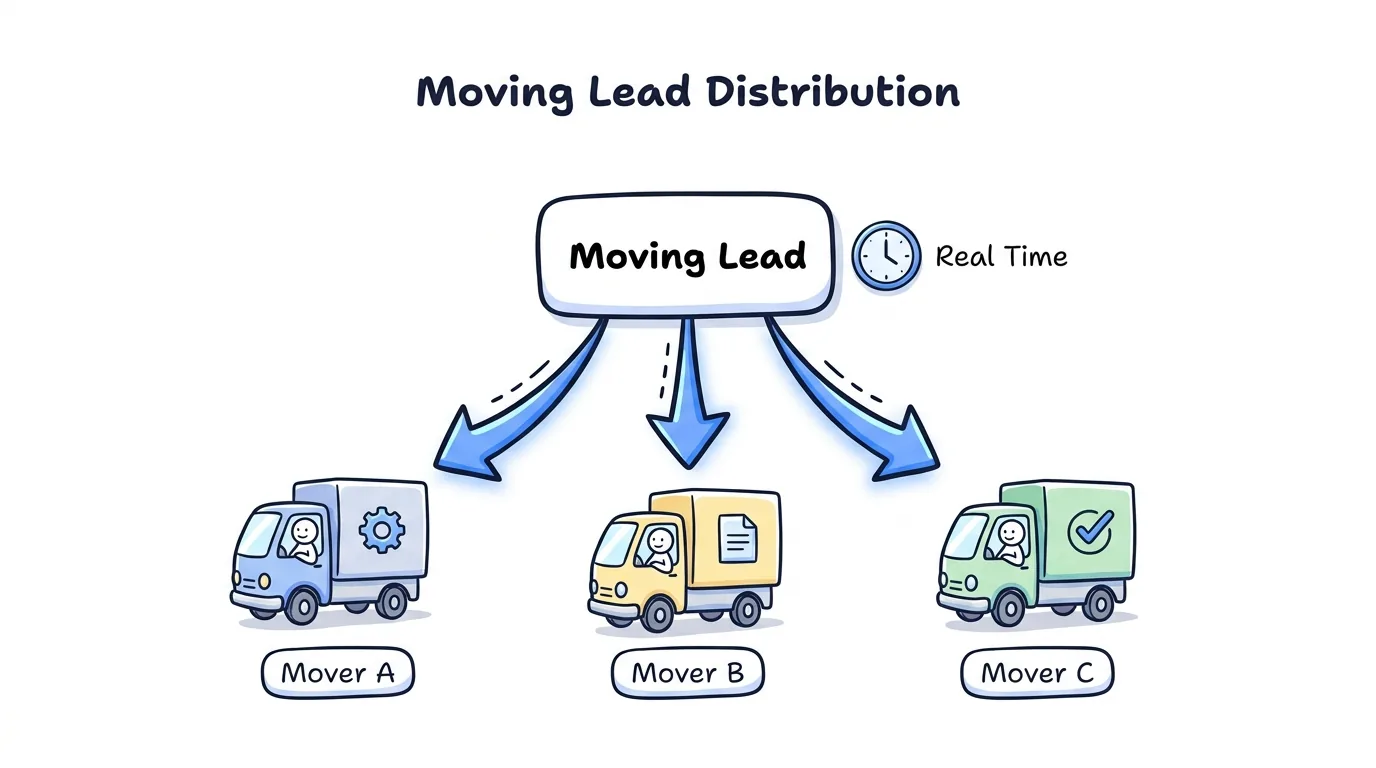
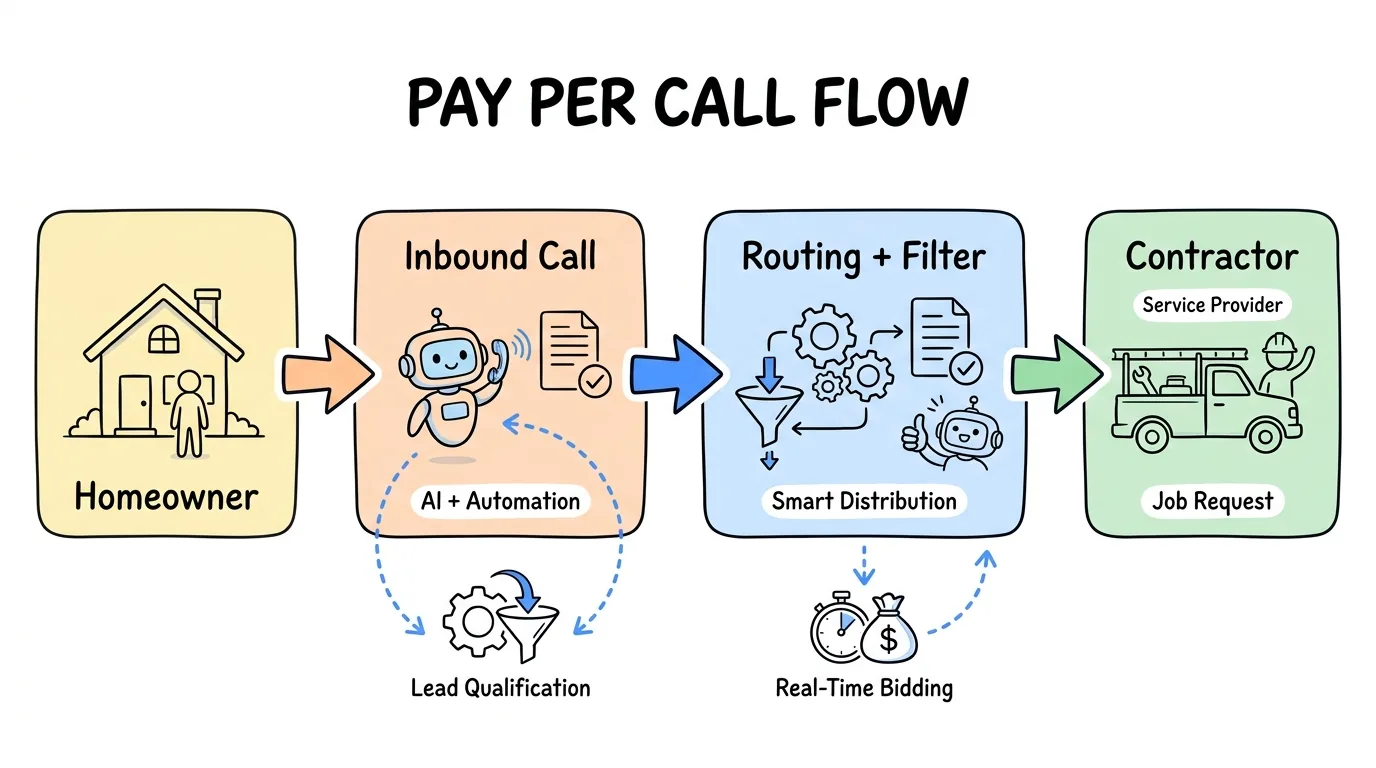
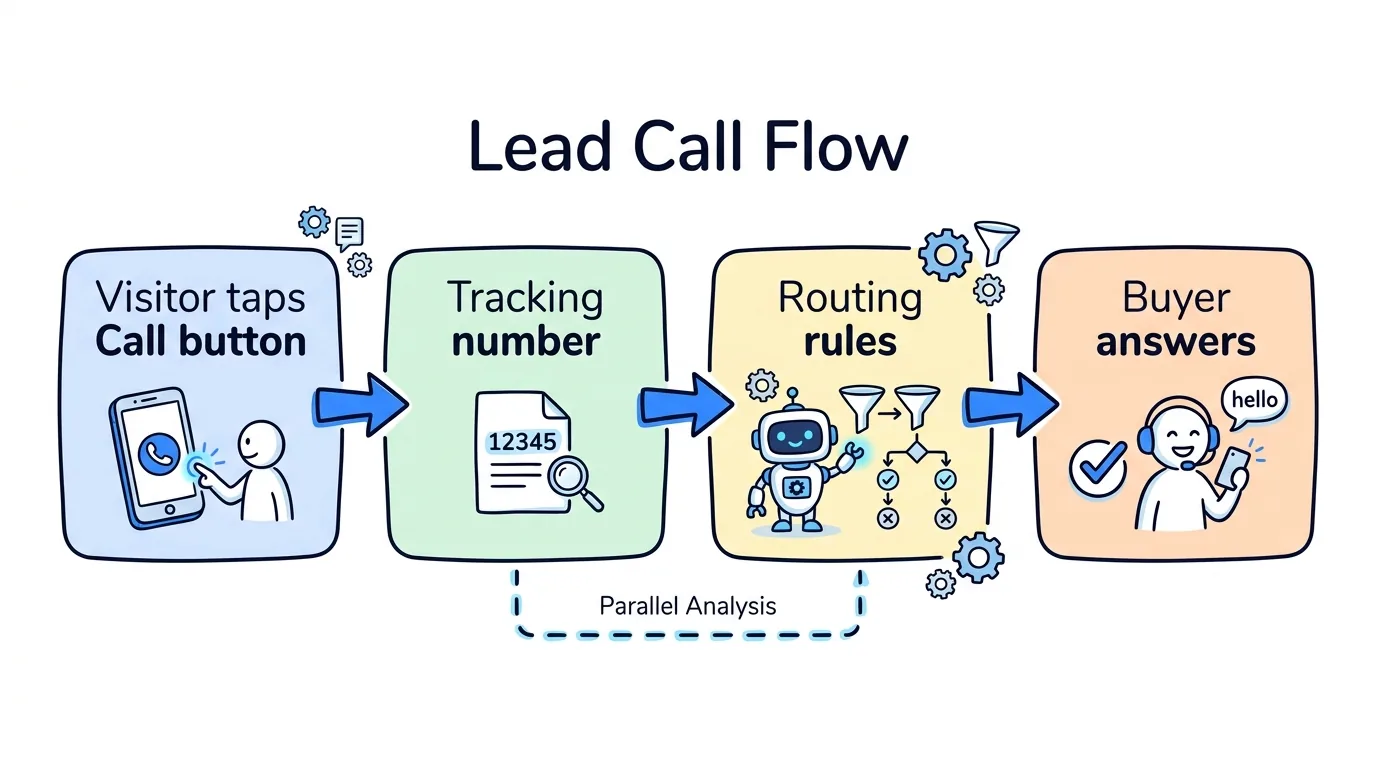
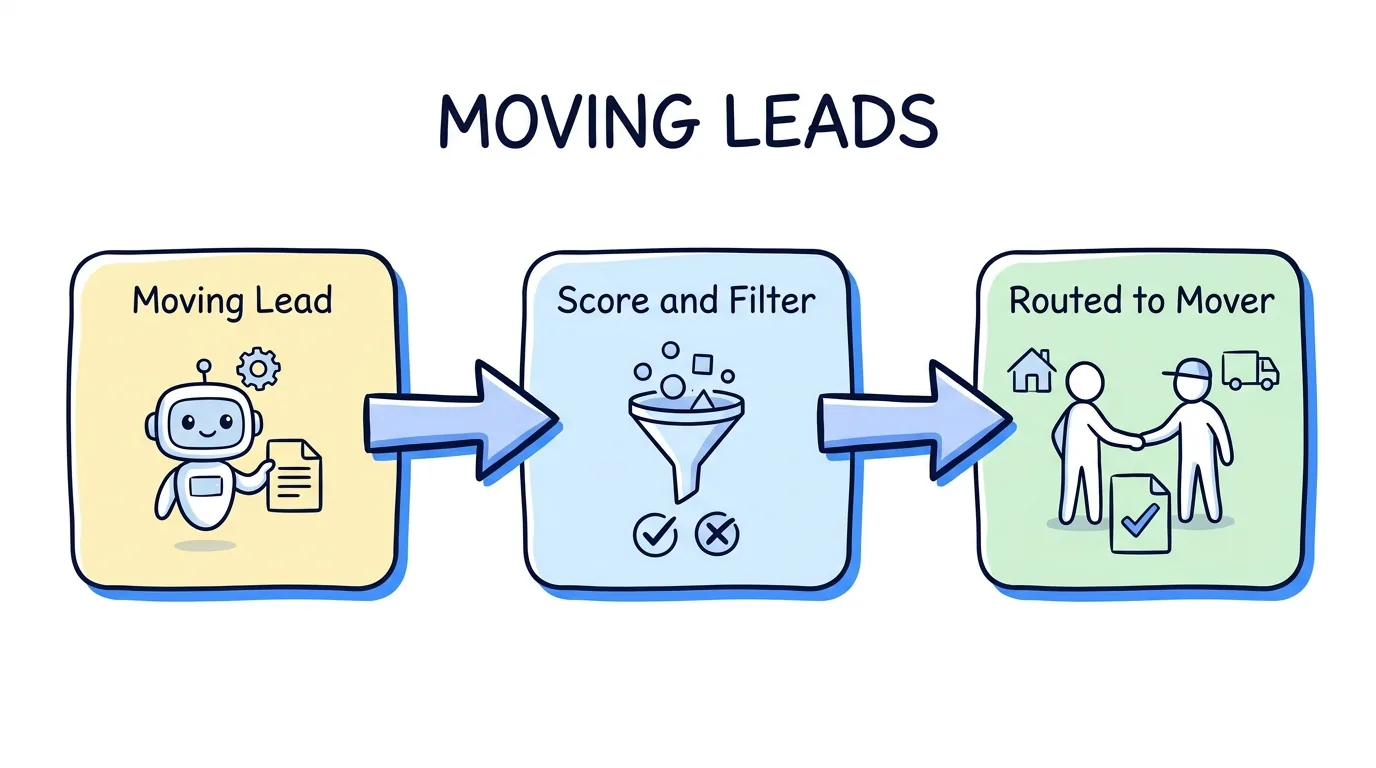
Lead distribution software is the routing layer that sits between your lead sources and your buyers. It is not a CRM and does not replace one; it decides who gets each lead and on what terms. Lead Distro AI supports all four distribution methods, Round Robin, Weighted, Priority/Waterfall, and Ping-Post, in a single account.
Round robin spreads moving leads evenly across a roster of movers, which keeps a buyer network balanced. For resold inventory, ping-post is the standard: the platform sends a ping with partial data (origin ZIP, move size, distance) to eligible buyers, collects bids in seconds, then posts the full record only to the winner. That structure prevents cherry-picking and enforces each buyer's caps, filters, and suppression lists automatically. You can see how lead distribution works end to end in the product tour.
Why Speed to Lead Decides Who Books the Move
Moving is one of the most time-sensitive verticals in the lead market because the move date is fixed and the consumer is collecting quotes the same hour. MIT's Lead Response Management study found the odds of qualifying a lead drop 21 times when contact slips from 5 minutes to 30, and in moving that decay is even steeper because the prospect is signing with whoever calls back first.
Automated routing is how you win that race. Instead of a coordinator copying moving company leads into a spreadsheet, the platform delivers each lead to the buyer by webhook or API in under a second, so the mover dials a warm prospect instead of a stale record. Our deep dive on speed to lead shows why response time, not lead volume, is the real conversion lever.
Scoring, Caps, and Deduplication Protect Your Margin
Volume without quality control destroys margin on bought leads, so the routing layer has to do more than forward records.
- Lead scoring ranks each lead on fit and likely intent before it routes, so your best buyers see the best inventory first. Lead Distro AI scores every lead in under a second.
- Daily caps stop you from overselling a mover who can only work a set number of jobs a day, which protects contact rates and buyer relationships.
- Deduplication catches the same consumer arriving from two sources, configurable by phone alone or any field combination, so you do not reject genuinely distinct moving leads.
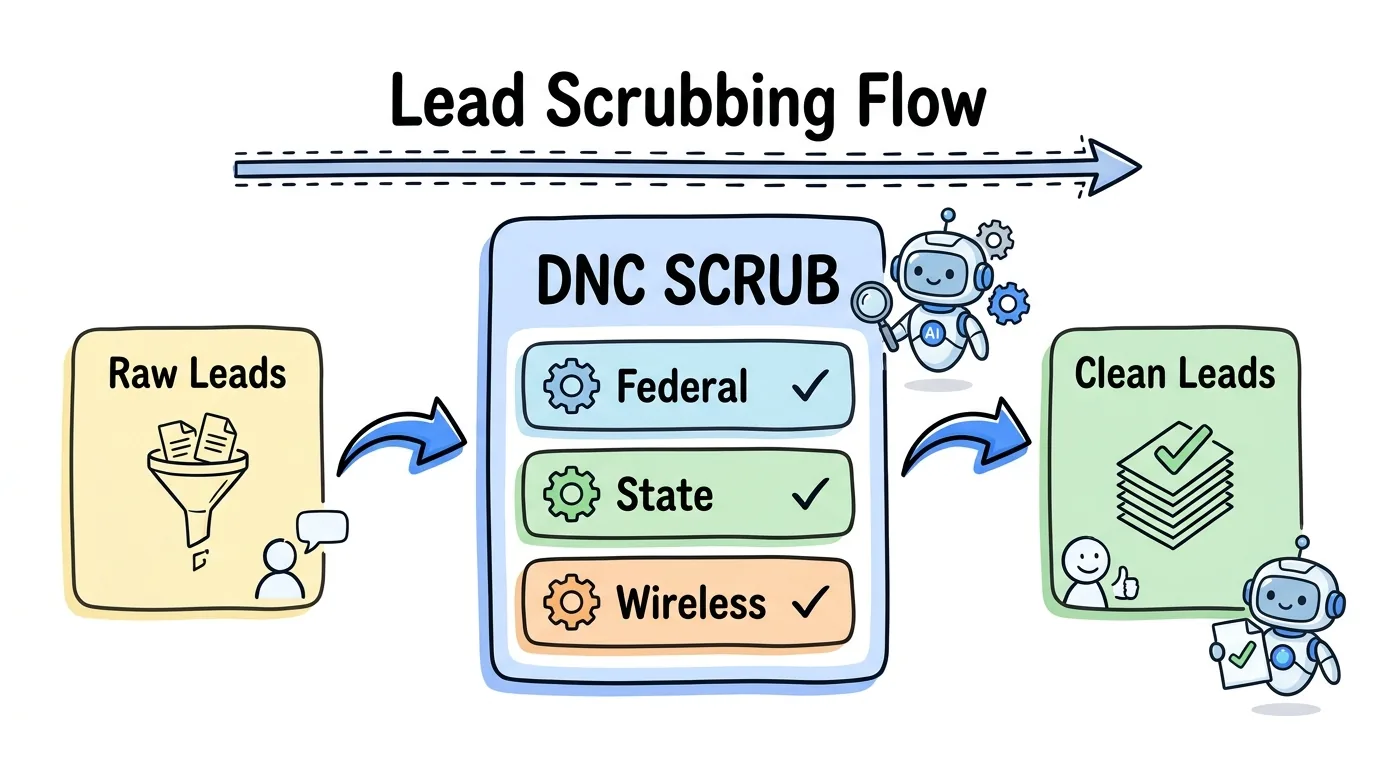
- Suppression lists keep DNC, prior-purchaser, and litigator numbers out of the flow before they reach a buyer.
These controls feed a real-time profit-and-loss view that shows revenue, cost, and margin per source and per buyer, which is the difference between a lead business and a guessing game.
TCPA Compliance for Moving Lead Buyers
Moving sales lean on fast outbound calls to mobile phones, which puts nearly every dial under the Telephone Consumer Protection Act (TCPA). Violations run $500 to $1,500 per call under the FCC's TCPA rules, and the exposure is real because moving leads are dialed within minutes of capture.
The non-negotiables for anyone buying or reselling moving leads:
- Written prior express consent at capture, naming the seller or buyer category, not buried in a terms-of-service link.
- A documented consent trail. A TrustedForm certificate should travel with the lead to every buyer so each dial is defensible.
- DNC scrubbing and time-of-day limits, with no calls before 8 a.m. or after 9 p.m. in the consumer's local time zone.
A distribution platform that validates consent at ingest and resolves time zone from the lead's origin ZIP turns compliance into a default instead of a daily fire drill.
Build a Moving Lead Business on a Distribution Platform
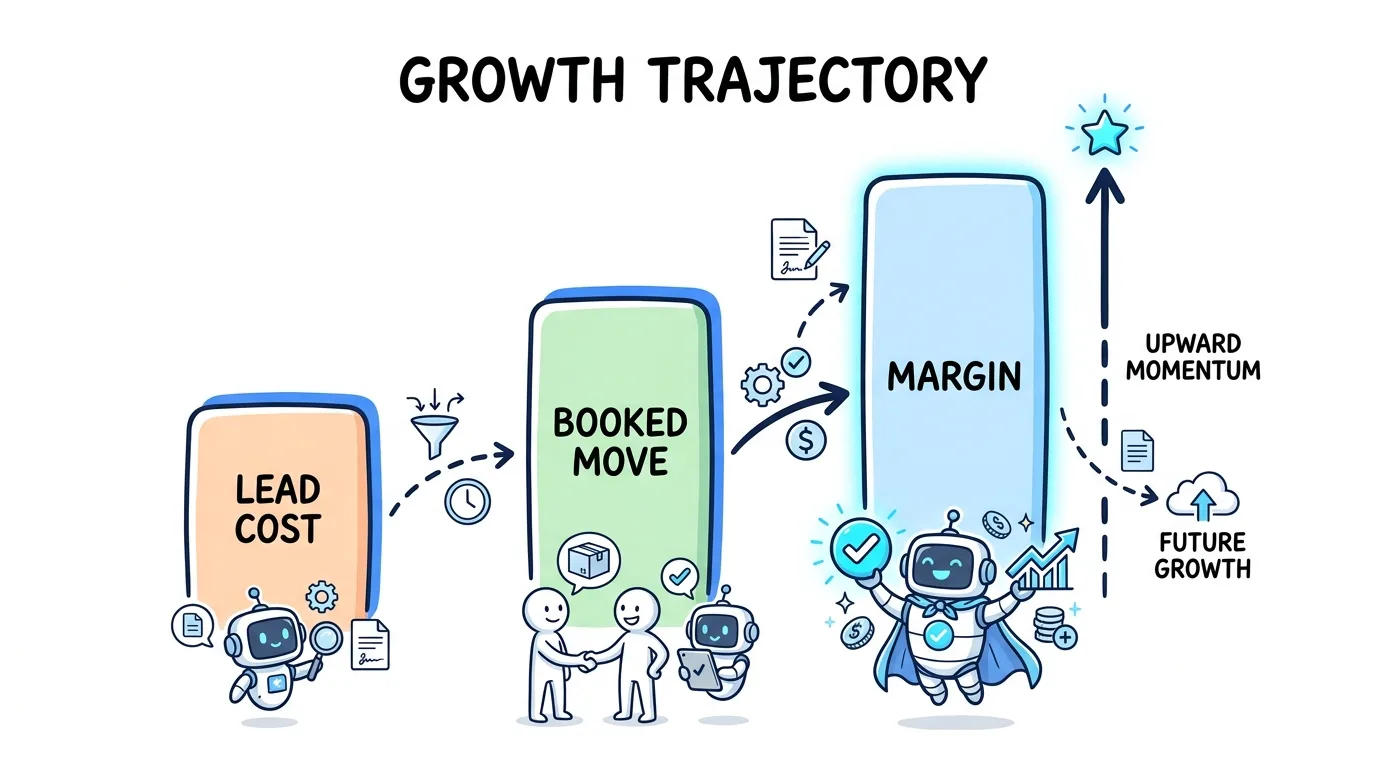
The operators who win with moving leads treat distribution as the profit center, not an afterthought. "Moving leads reward speed more than almost any vertical," says Rafael Hernandez, Founder and CEO of Lead Distro AI. "The mover who calls a fresh lead in under a minute books the job; the one who calls an hour later is selling against a signed contract. Distribution is how you guarantee the first call."
That same engine powers every high-value vertical, which is why a moving leads guide sits alongside our pillar on life insurance leads and the broader home-services trades. Whether you buy exclusive moving leads, generate your own, or resell long distance moving leads at a markup, the workflow is identical: ingest, score, route, bill, and prove margin per source. Plans start at $297 a month; see the full pricing tiers for volume-based options as you scale.
FAQ
What are moving leads?
Moving leads are contact records from consumers actively planning a household or commercial relocation, sold to moving companies, van lines, and brokers. They arrive as shared inventory (sold to several movers), exclusive inventory (sold to one), or live-transfer calls. Quality depends on how recently the consumer inquired, how many movers receive the lead, and whether consent is documented with a TrustedForm certificate. Local, long distance, and commercial moves each price differently.
How much do exclusive moving leads cost?
Exclusive moving leads typically cost $15 to $80 each in 2026, with long distance and interstate jobs reaching the top of that range and live-transfer calls running $25 to $85. Exclusive leads sell to a single mover, so there is no competition on the dial and booking rates run far higher than shared inventory at $5 to $15. Always weigh sticker price against close rate to find your true cost per booked move, since a pricier exclusive lead is often cheaper per job.
What is the difference between shared and exclusive moving leads?
Shared moving leads are sold to four to six companies at once, so they cost less but force you to win on speed, and booking rates fall because several movers call the same consumer. Exclusive leads go to one company only, cost more, and convert better because there is no competition on the call. Most agencies blend both: shared inventory feeds high-volume dialer teams, while exclusive inventory goes to closers who dial within minutes of delivery.
How does lead distribution software route moving leads?
Lead distribution software ingests leads through API, web form, or ping-post, then applies rules to send each one to the right mover in real time. For resold inventory, ping-post is standard: the platform pings buyers with partial data, collects bids, and posts the full record to the winner in milliseconds. It also enforces daily caps, deduplication, suppression lists, and lead scoring, then reports margin per source and buyer so you see profit instead of guessing at it.
Can I sell moving leads to other companies?
Yes. Many brokers buy moving leads in bulk or generate their own, then redistribute them to a buyer network at a markup. A distribution platform makes this profitable by automating ping-post bidding, buyer caps, billing, and per-buyer reporting, so the margin lives in routing rather than manual handling. You can manage movers, set bid floors, and bill automatically inside one platform instead of stitching together spreadsheets, webhooks, and invoices that leak margin at scale.
Conclusion
Moving leads remain one of the most time-sensitive, high-intent verticals in the lead market because every prospect has a fixed deadline and is shopping the same hour. Winning is less about raw lead volume and more about routing each lead fast, scoring it well, and proving margin on every source. That is exactly what a lead distribution platform delivers, whether you buy, generate, or resell. The agencies that automate first capture the speed-to-lead advantage that decides who books the move, and that edge compounds with every job. Start now, or watch a faster competitor book the customers you could have served.
Ready to route, score, and bill your moving leads in one place? Start your 7-day free trial (credit card required) and route your first lead in minutes.
About the Author
Founder & CEO of Lead Distro AI & Great Marketing AI
UC Berkeley graduate and former software engineer at Microsoft. Rafael built Lead Distro AI after managing over $10M in ad spend for performance marketing agencies (pay-per-lead and pay-per-call), including running campaigns for Neil Patel. He combines deep software engineering expertise with hands-on performance marketing experience to build tools that help these agencies scale profitably.
About Lead Distro AI
Lead Distro AI: AI-Powered Lead Distribution & Call Tracking That Maximizes ROI
The modern platform for pay-per-lead and pay-per-call agencies. Route, score, and deliver leads with AI-powered automation and real-time P&L tracking. Built for performance marketing agencies and lead buyers across legal, insurance, mortgage, solar, and home services verticals.
4 Distribution Methods
Waterfall, Round Robin, Weighted, Ping-Post
Ping-Post Auctions
Real-time bidding with sub-second routing
Real-Time P&L Reporting
Track revenue, costs, and profit per campaign
Call Tracking
Assign tracking numbers, record calls, and attribute conversions
Lead Scoring
Score every lead before routing to maximize conversion
Partner Portal
Self-serve dashboard for buyers to track leads