Call Tracking for Agencies: The 2026 Multi-Client Guide
Call tracking for agencies, explained: multi-client sub-accounts, DNI, per-campaign attribution, how to bill clients on tracked calls, plus per-vertical setup.

Rafael Hernandez
Founder & CEO
Ex-Microsoft SWE · $10M+ PPL ad spend
I hope you enjoy reading this blog post. If you want to try Lead Distro AI for free, click here.
Author: Rafael Hernandez | Founder & CEO of Lead Distro AI
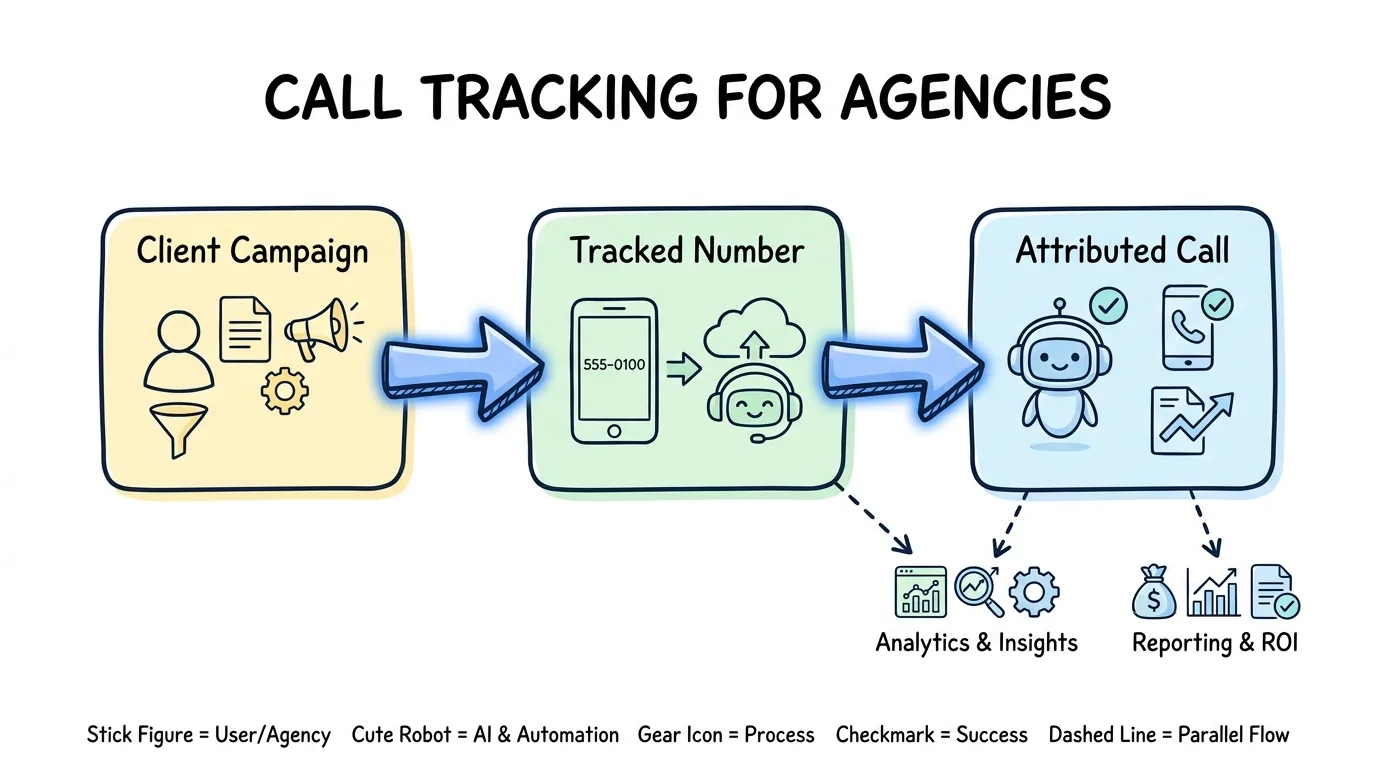
Call tracking for agencies is the practice of assigning unique, trackable phone numbers to each client's marketing campaigns inside one multi-client platform, so every inbound call is attributed to the campaign, keyword, and landing page that drove it, then recorded, scored, routed, and billed as a measurable revenue event. For agencies, especially pay-per-call and pay-per-lead shops managing many client accounts at once, the right setup means dynamic number insertion (DNI), per-client sub-accounts, real-time attribution, and a way to bill clients on tracked, qualified calls rather than on guesswork. The reason it matters is economics: phone calls convert to revenue 10 to 15 times more often than web leads (BIA/Kelsey, via Invoca), and callers convert about 30% faster than web leads (Forrester, via Invoca). If your agency drives calls for clients and cannot prove which campaign produced each call, you are leaving both client retention and billable revenue on the table. The category is scaling fast: the global call tracking software market is projected to grow from $9.79 billion in 2025 to $10.84 billion in 2026 at a 10.7% rate, reaching $15.33 billion by 2030 (The Business Research Company, 2026). For an agency, the goal is to start tracking calls across every client from a single console.
Key Takeaways
- Agencies need multi-client call tracking, not single-account tools. The differentiator is sub-accounts: each client gets isolated numbers, reporting, and billing under one agency login, so you scale clients without scaling tabs.
- DNI is the attribution engine. Dynamic number insertion swaps the phone number on each client's landing page by traffic source, so a Google Ads caller and an organic caller log under different campaigns automatically.
- Per-campaign attribution is what you sell, and what you bill on. When you can show a client that 42 calls came from their paid search campaign, you can charge on qualified tracked calls instead of flat retainers.
- Each vertical tracks calls differently. Legal and attorney clients need TCPA-grade consent and intake routing, HVAC and contractor clients need geo and time-of-day routing, and healthcare clients need consent and call-handling discipline.
- Pay-per-call agencies need routing on top of tracking. Bid-based ring trees, ping-post, and IVR pre-screening turn a tracked call into a sold call. Tracking alone does not monetize.
- Call tracking pricing is usage-based on top of a platform fee. Expect a flat subscription plus a per-number monthly fee and a per-minute rate for inbound minutes. Pass the number and minute costs through to clients as a tracked line item.
Why Agencies Need Call Tracking (Especially Pay-Per-Call Agencies)
For a marketing or lead-gen agency, call tracking is the difference between guessing and proving. Without it, a client asks "where did these calls come from?" and the honest answer is a shrug. With it, you attribute every inbound call to a campaign, keyword, and landing page, which protects the account at renewal time and justifies the spend you manage.
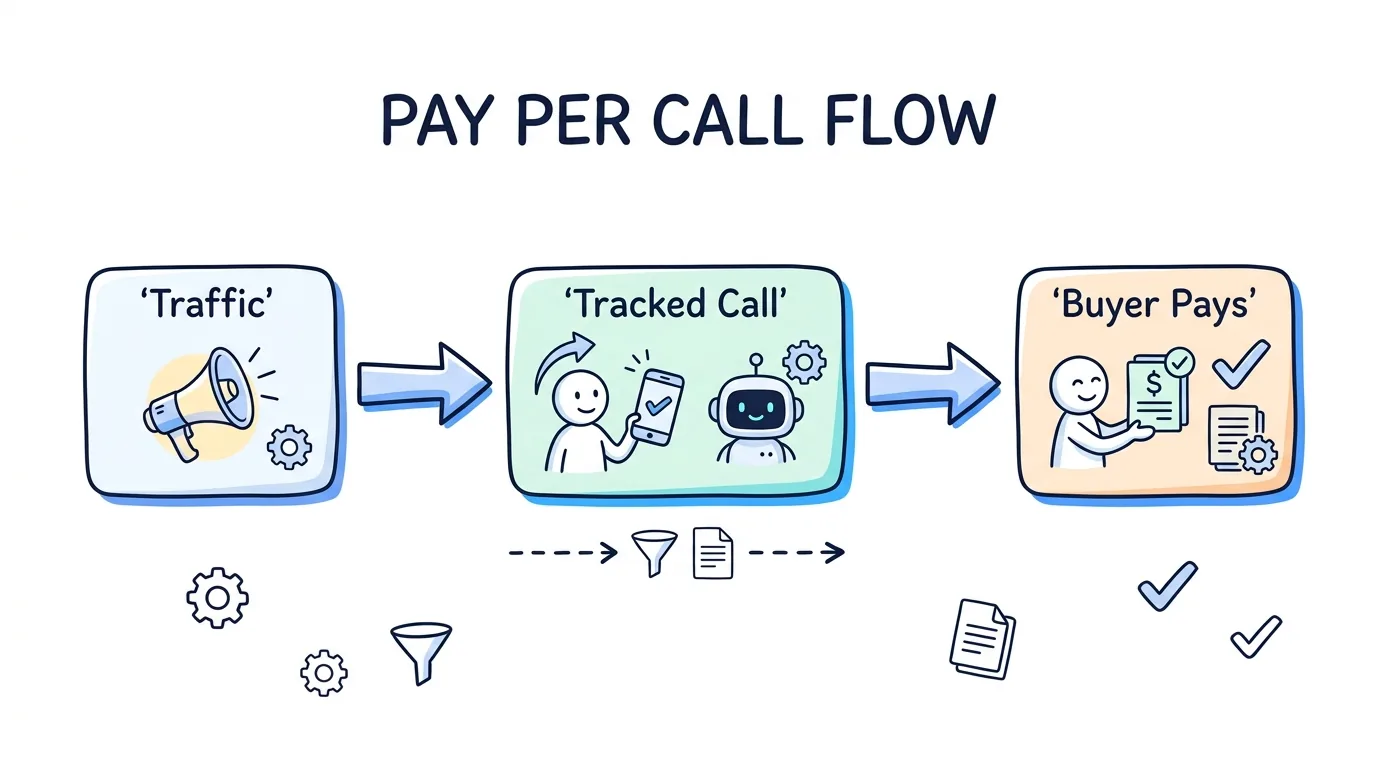
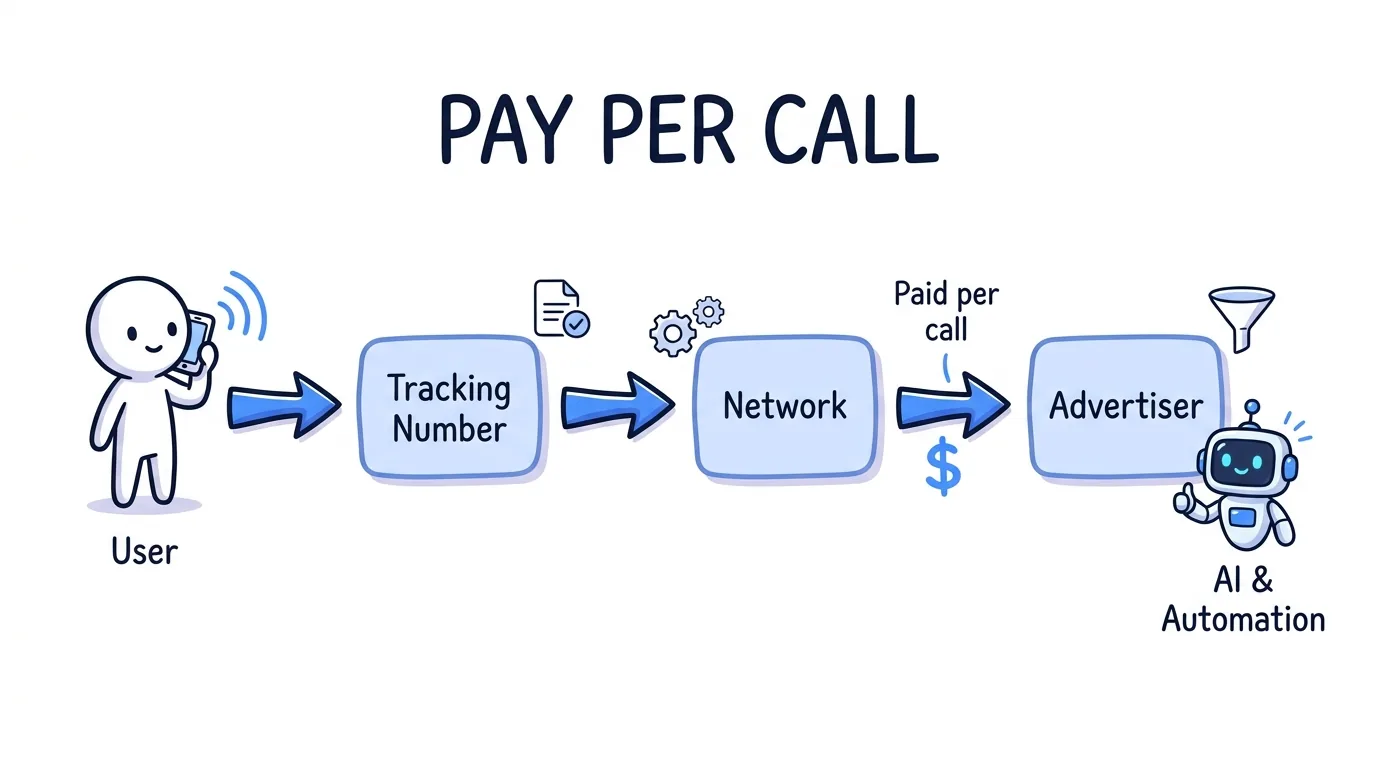
For pay-per-call agencies, the stakes are higher. The agency's entire model is buying or generating calls and selling them to buyers, so tracking is the ledger the business runs on. Every call must be attributed to a source, scored for quality, routed to the right buyer, and billed, all in real time. According to Forrester, 84% of marketers report phone calls having higher conversion rates and larger order value than other engagement types (via Invoca), which is exactly why pay-per-call agencies can charge premium rates per call. The platforms that win for agencies handle tracking, scoring, routing, and billing in one place. See our deep dive on marketing call tracking for the campaign-attribution mechanics, our guide to call tracking software for pay-per-call agencies for the routing-and-billing side, and the best call tracking software roundup for the full platform landscape.
Multi-Client and Sub-Account Tracking: The Real Agency Requirement
The single feature that separates agency-grade call tracking from a small-business tool is the sub-account. An agency managing 15 clients cannot run 15 separate logins. You need one parent agency account with a child sub-account per client, where each sub-account holds that client's numbers, DNI pools, routing rules, recordings, and reports in isolation, while you see the whole portfolio from one dashboard.
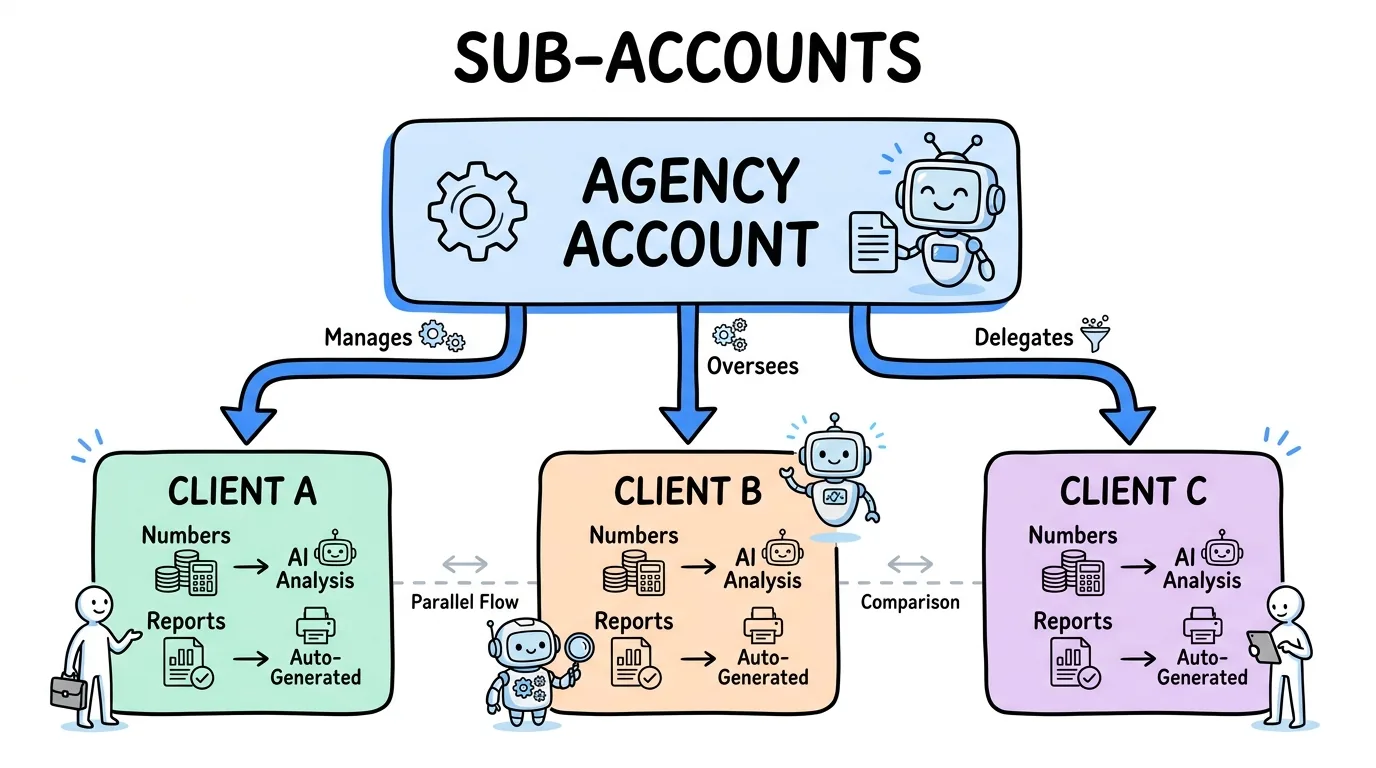
Sub-accounts solve four agency problems at once:
- Isolation: Client A never sees Client B's numbers, calls, or data, which matters for confidentiality and competitive separation.
- White-label reporting: Each client gets a clean report branded to your agency, not the vendor.
- Permissioned access: You can grant a client read-only access to their own sub-account without exposing the rest of the portfolio.
- Per-client billing: Number and minute usage rolls up per sub-account, so your cost of goods per client is obvious and passes through cleanly.
When you evaluate a platform, the first question is not "does it track calls" but "can I run 20 clients under one roof without chaos?" That is the agency test.
Dynamic Number Insertion (DNI): How Per-Source Attribution Works
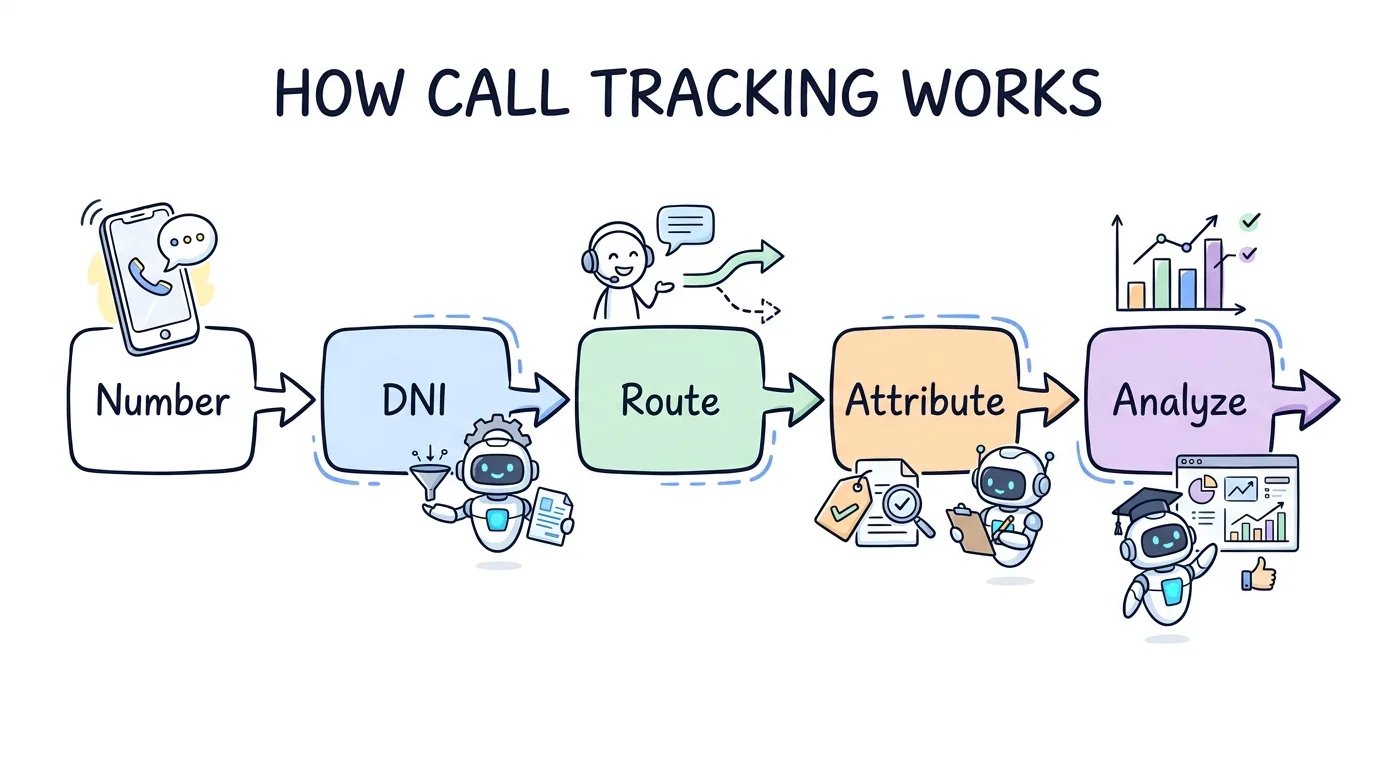
Dynamic number insertion is the mechanism that makes call attribution automatic. A small JavaScript snippet on the client's landing page swaps the displayed phone number based on the visitor's traffic source, so a visitor arriving from a Google Ads click sees a different number than a visitor arriving from organic search or a Facebook campaign. Each number routes to the same destination but logs a distinct attribution.
For agencies, DNI is the backbone of call tracking for agencies because it lets you report at the campaign and keyword level instead of the channel level. Instead of "you got 80 calls this month," you report "31 calls from your branded search campaign, 27 from paid social, 22 from organic," which is the granularity clients pay to see. DNI works through a pool of numbers: the platform rotates numbers across simultaneous visitors so each session gets a unique, attributable number for the duration of the visit. For the technical mechanics of number pools, session stitching, and keyword-level data, see our breakdown of how dynamic number insertion works and the broader explainer on how call tracking works. The practical agency takeaway: DNI is non-negotiable for any client running multiple paid campaigns at once.
Call Attribution and Which-Campaign Reporting
Attribution is the product an agency actually sells. The job is to connect each inbound call back to the marketing that produced it and present that in a report a client trusts. Modern call tracking captures the source, medium, campaign, keyword, landing page, and even the Google Ads GCLID for each call, then pushes call conversions back into the ad platforms so the bidding algorithms optimize toward calls rather than clicks.
The reporting agencies need has three layers. First, source attribution: which channel and campaign drove the call. Second, quality attribution: how long the call lasted, whether it connected to a human, and whether it qualified, because a 12-second hang-up is not a lead. Third, revenue attribution: which calls became booked jobs or signed cases, closing the loop from spend to revenue. Speed compounds all of this: research by Oldroyd, McElheran, and Elkington published in Harvard Business Review found that responding to a lead within five minutes makes you far more likely to connect than waiting longer (HBR, 2011), so routing a tracked call to the right phone instantly is as valuable as the attribution itself. For a portfolio view across clients, lead reporting software for agencies covers how to roll call data into client dashboards.
How to Bill Clients on Tracked Calls
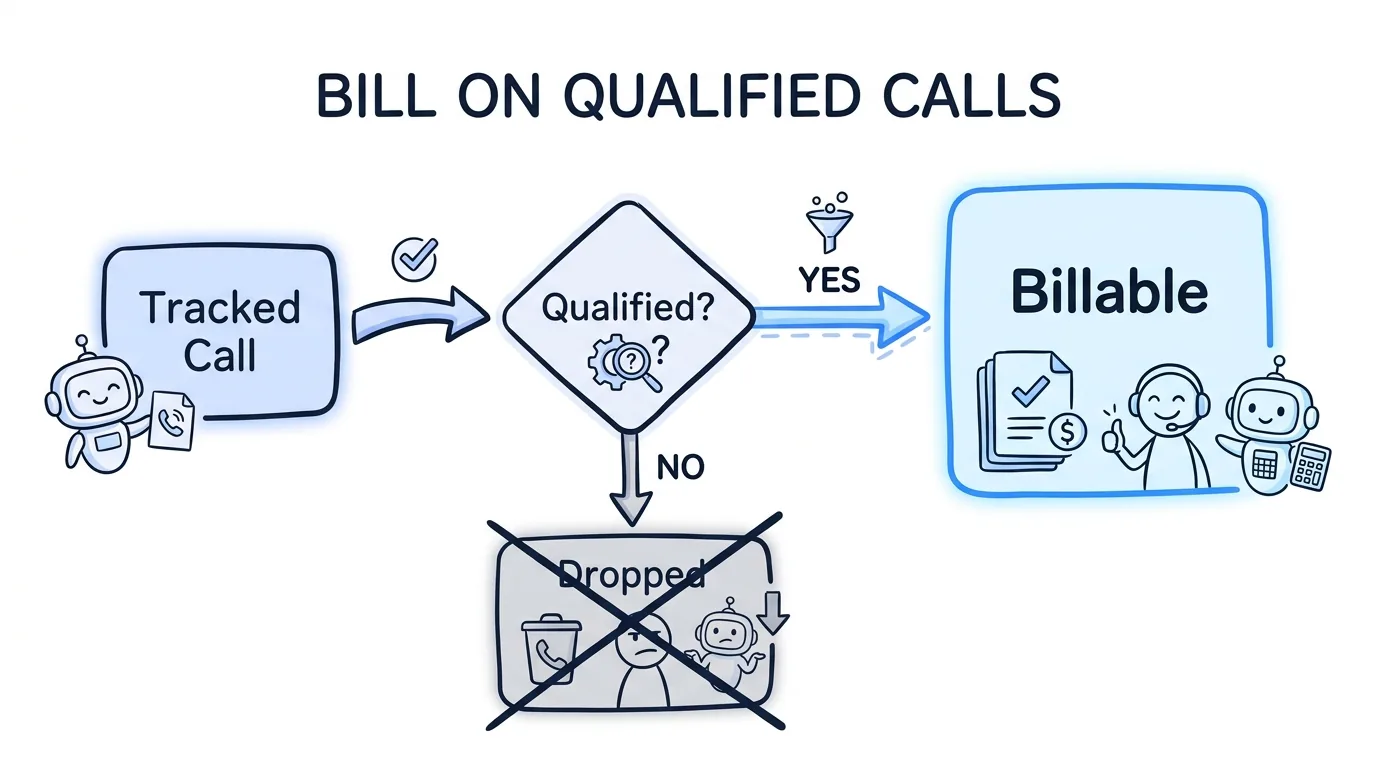
Call tracking changes the agency billing model from "trust me" to "here is the invoice." Once every call is attributed and scored, you can bill on outcomes instead of flat retainers, which is both more defensible and usually more profitable.
There are three common agency billing models built on tracked calls:
- Pay-per-qualified-call: The client pays a fixed price for each tracked call that meets a quality bar (minimum duration, connected to a human, in-criteria). A 90-second connected call from the target geography counts; a 10-second wrong number does not.
- Cost-plus pass-through: You pass through the platform's per-number and per-minute usage as a line item, then add your management fee on top. This is transparent and easy to defend at renewal.
- Performance retainer hybrid: A base retainer plus a per-call bonus above a threshold, which aligns your incentives with call volume and quality.
The key is that tracking gives you a defensible number to invoice against. An original benchmark we see across pay-per-call agencies: the moment an agency switches from flat retainer to per-qualified-call billing on tracked data, the client conversation shifts from "what am I paying for" to "can you get me more calls," which is the conversation you want. To bill cleanly, the platform must score call quality at the routing layer, not just record it after the fact. See lead tracking software for agencies for how source-and-buyer tracking ties into invoicing.
Call Tracking by Vertical: Legal, HVAC, Healthcare
Each agency niche tracks calls differently because each vertical has different call patterns, compliance rules, and buyer expectations. A one-size setup underperforms.
Legal Services and Attorneys
Call tracking for legal services and call tracking for attorneys is intake-driven and compliance-heavy. A personal injury or family law firm lives on the phone, and a missed call is a lost case worth thousands. The setup priorities are TCPA-grade consent capture (TrustedForm or Jornaya documentation), instant routing to a live intake team, after-hours coverage, and Spanish-language IVR for firms serving Hispanic markets. Attribution must tie each call to the campaign and keyword so the firm sees which practice areas and ad groups produce signed cases, not just calls.
HVAC and Contractors
Call tracking for HVAC and call tracking for contractors is logistics-driven. These clients win on speed and geography: a homeowner with a broken furnace calls three contractors and hires the first to answer. The setup priorities are geo-routing (send the call to the nearest crew or the right service area), time-of-day and emergency routing, and source attribution down to the campaign so seasonal spend (summer AC, winter heating) is measured against booked jobs. Number pools matter here because contractors often run multiple local-service campaigns at once.
Healthcare and Medical
Call tracking for healthcare is consent-driven and discipline-heavy. Medical and dental clients need consent capture, careful call-handling practices, and attribution that proves which campaigns fill the appointment book without mishandling sensitive caller information. Routing to the right location and staff, plus measuring booked appointments against ad spend, is the core agency deliverable.
Agency Call Tracking Platforms Compared (2026)
The agency call-tracking landscape spans pure-play tracking tools, full pay-per-call routing platforms, and integrated lead-and-call distribution systems. The table below compares the strongest options for agencies in 2026 on the features that actually matter when you run multiple clients.
| Platform | Best For | Multi-Client Sub-Accounts | DNI | Ring Tree / Pay-Per-Call Routing | AI Call Scoring | Starting Price |
|---|---|---|---|---|---|---|
| Lead Distro AI | Pay-per-lead and pay-per-call agencies running calls and data leads | Yes | Yes | Yes (ping-post + ring tree) | Yes (Claude AI) | $297/mo platform |
| CallRail | SMB-focused agencies needing pure call tracking | Yes (agency tier) | Yes | No | Limited (Conversation Intel) | $50/mo |
| CallTrackingMetrics | Mid-market agencies, contact centers | Yes | Yes | Limited | No | $79/mo |
| Ringba | Pay-per-call agencies, call-only | Yes | Yes | Yes (bid-based) | No | Custom |
| Retreaver | Agencies and networks routing calls | Yes | Yes | Yes | No | Custom |
| Invoca | Enterprise agency clients, conversation intelligence | Yes | Yes | Limited | No | Custom |
For pay-per-lead and pay-per-call agencies that monetize both inbound calls and web form leads, Lead Distro AI is the strongest fit because it combines call tracking, AI lead scoring, ring tree and pay-per-call routing, and four data distribution methods (Round Robin, Weighted, Priority/Waterfall, and Ping-Post) in one self-serve platform, so you are not stacking CallRail for tracking plus a separate distribution tool for data leads. CallRail remains the cleanest pick for agencies that only need pure call tracking for SMB clients, while Ringba and Retreaver lead for call-only pay-per-call routing. For a cost-by-cost breakdown, see our call tracking software pricing guide, and for the call-buying side, our guide to the best pay-per-call software for agencies. To automate that routing with an AI agent, see how to use Claude for ping-post automation, and for a vertical example of pay-per-call distribution in action, read pay-per-call for home services.
FAQ
What is call tracking for agencies?
Call tracking for agencies is the practice of assigning unique, trackable phone numbers to each client's marketing campaigns inside one multi-client platform, so every inbound call is attributed to the campaign, keyword, and landing page that drove it. Agencies use it to prove ROI to clients, bill on qualified tracked calls, and, for pay-per-call agencies, route and sell each call to buyers. The defining requirement is sub-accounts, which let one agency manage many clients with isolated numbers, reporting, and billing under a single login.
What is the best call tracking software for marketing agencies?
The best call tracking for marketing agencies depends on what else you do alongside tracking. For pay-per-lead and pay-per-call agencies running both calls and data leads, Lead Distro AI is the strongest because it pairs call tracking and AI call scoring with ring tree routing and four data distribution methods in one platform. For agencies that only need pure call tracking for SMB clients, CallRail is the cleanest option. For call-only pay-per-call routing, Ringba and Retreaver lead. Match the platform to your client mix and whether you also distribute web form leads.
How do agencies bill clients on tracked calls?
Agencies bill on tracked calls using one of three models: pay-per-qualified-call (a fixed price for each call that meets a duration and quality bar), cost-plus pass-through (passing the platform's per-number and per-minute usage as a line item plus a management fee), or a performance retainer hybrid (a base retainer plus per-call bonuses above a threshold). All three depend on the platform scoring call quality at the routing layer so you invoice against connected, in-criteria calls rather than every ring.
What is dynamic number insertion and why do agencies need it?
Dynamic number insertion (DNI) is a script on a client's landing page that swaps the displayed phone number based on the visitor's traffic source, so a Google Ads caller and an organic caller log under different campaigns automatically. Agencies need DNI because it enables campaign-level and keyword-level attribution instead of channel-level guessing. It works through a pool of numbers rotated across simultaneous visitors, so each session gets a unique, attributable number for the duration of the visit.
How much does call tracking cost for an agency?
Call tracking pricing is usage-based on top of a platform fee. Expect a flat or tiered subscription plus a per-number monthly fee and a per-minute rate for inbound minutes. Lead Distro AI uses flat platform pricing starting at $297 per month with call tracking on top billed by usage; CallRail starts at $50 per month and CallTrackingMetrics at $79 per month, both with usage on top. For agencies, the practical move is to pass the per-number and per-minute costs through to clients as a tracked line item rather than absorbing them.
Does call tracking work for legal, HVAC, and healthcare clients?
Yes, but each vertical configures it differently. Legal and attorney clients prioritize TCPA-grade consent capture, instant intake routing, and Spanish-language IVR. HVAC and contractor clients prioritize geo-routing, emergency and time-of-day routing, and number pools for multiple local campaigns. Healthcare clients prioritize consent capture, disciplined call handling, and appointment-booking attribution. The platform stays the same; the routing rules, compliance setup, and reporting are tuned per niche.
Conclusion
For an agency, call tracking for agencies is not a reporting nicety, it is the ledger your client relationships and your margins run on. The non-negotiables are multi-client sub-accounts so you scale clients without scaling chaos, DNI so attribution is automatic at the campaign and keyword level, quality scoring so you can bill on qualified calls instead of every ring, and per-vertical routing so legal, HVAC, and healthcare clients each get the setup their call patterns demand. Pay-per-call agencies need one more layer on top, ring tree and pay-per-call routing, to turn a tracked call into a sold call.
For pay-per-lead and pay-per-call agencies running both inbound calls and web form leads, Lead Distro AI brings call tracking, AI call scoring, ring tree routing, pay-per-call routing, and four data distribution methods into one self-serve platform, so your whole client portfolio lives in one console with per-client sub-accounts and clean pass-through billing.
Running calls for multiple clients? Start your 7-day free trial and set up your first client sub-account in under an hour, or take the interactive product tour to see multi-client call tracking and routing in one flow. New to the category? Start with how call tracking works and dynamic number insertion, then compare the full landscape in our best call tracking software guide.
About the Author
Founder & CEO of Lead Distro AI & Great Marketing AI
UC Berkeley graduate and former software engineer at Microsoft. Rafael built Lead Distro AI after managing over $10M in ad spend for performance marketing agencies (pay-per-lead and pay-per-call), including running campaigns for Neil Patel. He combines deep software engineering expertise with hands-on performance marketing experience to build tools that help these agencies scale profitably.
About Lead Distro AI
Lead Distro AI: AI-Powered Lead Distribution & Call Tracking That Maximizes ROI
The modern platform for pay-per-lead and pay-per-call agencies. Route, score, and deliver leads with AI-powered automation and real-time P&L tracking. Built for performance marketing agencies and lead buyers across legal, insurance, mortgage, solar, and home services verticals.
4 Distribution Methods
Waterfall, Round Robin, Weighted, Ping-Post
Ping-Post Auctions
Real-time bidding with sub-second routing
Real-Time P&L Reporting
Track revenue, costs, and profit per campaign
Call Tracking
Assign tracking numbers, record calls, and attribute conversions
AI Lead Scoring
Score every lead before routing to maximize conversion
Partner Portal
Self-serve dashboard for buyers to track leads