Call Analytics Software: Turn Inbound Calls Into Revenue
Call analytics software measures, scores, and attributes every inbound call so agencies turn phone conversations into trackable, billable revenue. Full 2026 guide.

Rafael Hernandez
Founder & CEO
Ex-Microsoft SWE · $10M+ PPL ad spend
I hope you enjoy reading this blog post. If you want to try Lead Distro AI for free, click here.
Author: Rafael Hernandez | Founder & CEO of Lead Distro AI
Call analytics software is a platform that measures every inbound and outbound phone call, attributes it to the marketing source that drove it, and turns the conversation itself into structured data you can score, route, and bill. Instead of a phone that "just rings," you get a record for each call: which campaign and keyword produced it, how long it lasted, what was said, whether it converted, and what it cost you. The best call analytics software in 2026 layers three things on top of basic logging: source attribution through dynamic number insertion, conversation intelligence that reads tone and intent, and real-time routing that sends each qualified call to the right buyer or rep. This matters because phone calls convert to revenue 10 to 15 times more often than web form leads (Invoca, 2024), so a call you cannot measure is your highest-value lead leaking out untracked. For pay-per-lead and pay-per-call agencies, that measurement is the whole business model. Lead Distro AI unifies call analytics, lead scoring, and distribution in one platform, so you can start a free Lead Distro AI trial and see your own call data in one place.
Key Takeaways
Call analytics softwaremeasures, attributes, scores, and routes every phone call, turning untracked conversations into billable, optimizable revenue events.- Attribution is the foundation. Dynamic number insertion (DNI) ties each call back to the exact campaign, keyword, and landing page that produced it, so you stop optimizing ad spend against half your conversions.
- Conversation intelligence is the 2026 differentiator. A modern
call analytics platformreads transcripts for intent, sentiment, and outcome instead of leaving you to listen to recordings by hand. - For agencies, the unit economics live in the data. Cost per qualified call, billable-call rate, and source-level margin only exist when a
call analytics toolcalculates them in real time. - Pricing for call tracking is usage-based. Expect a flat platform fee plus a per-number monthly fee and a per-minute rate on inbound calls; any vendor that claims to remove those telecom charges is hiding the meter, not the cost.
What Is Call Analytics Software?
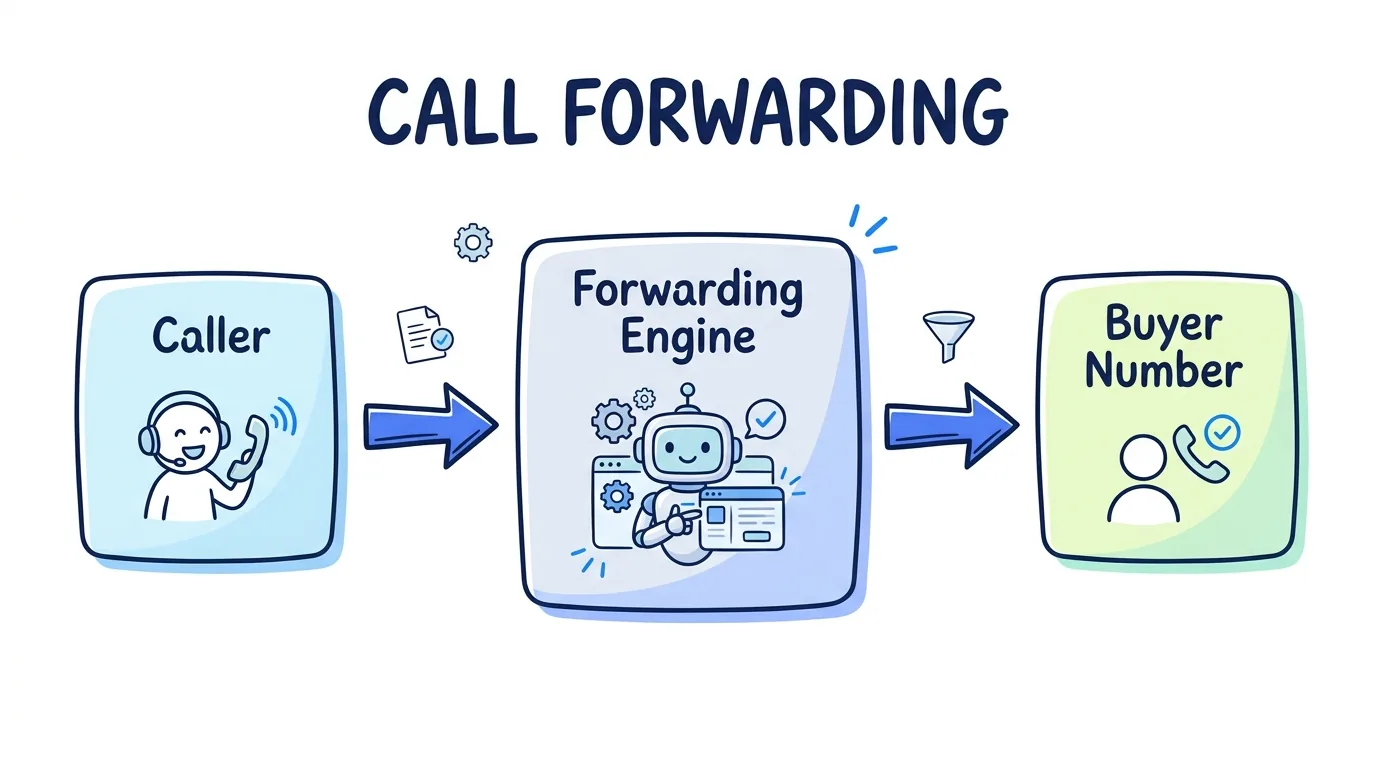
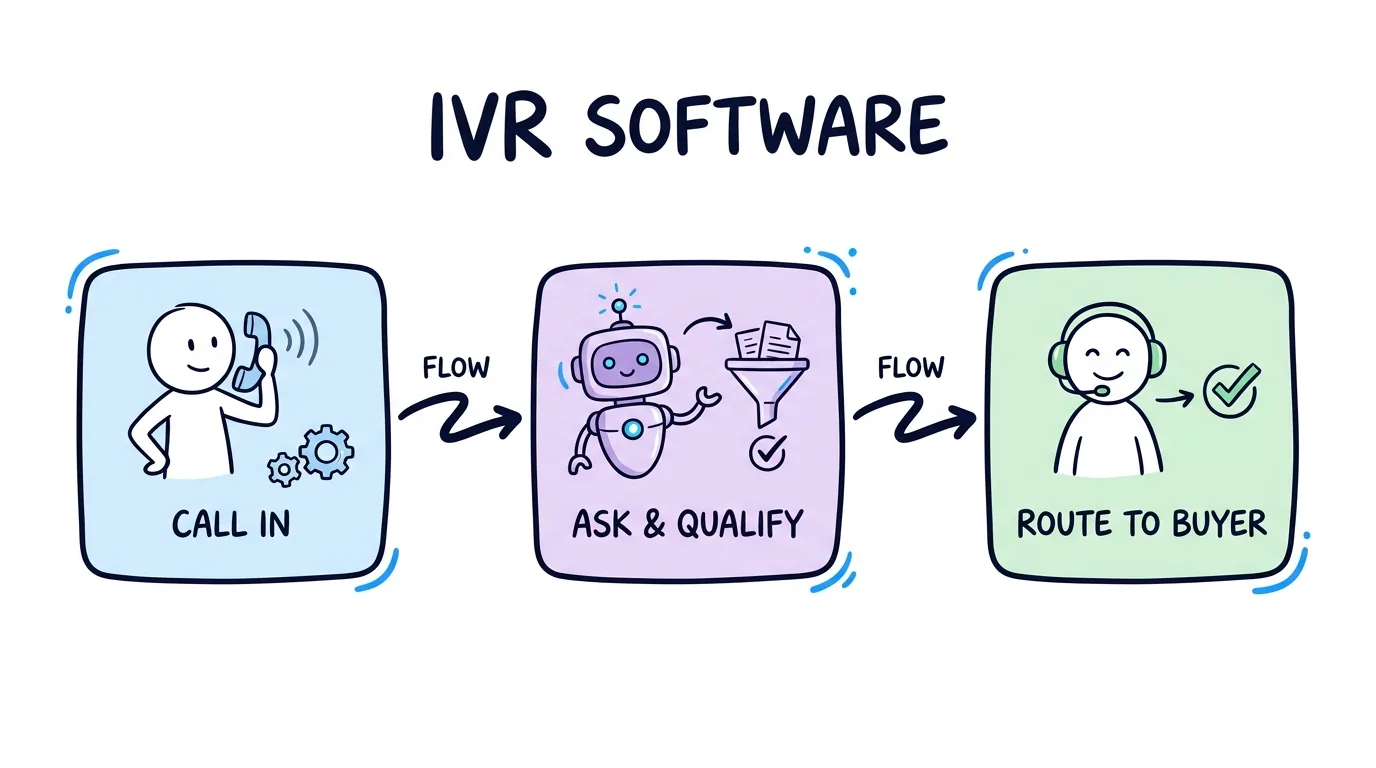
Call analytics software is the layer of call tracking analytics that converts raw phone activity into decisions. At a basic level it captures call logs, caller ID, recordings, and duration. A real call analytics platform goes further: it attributes each call to a marketing source, analyzes the conversation for quality and intent, and pushes that data into your dashboards, CRM, and routing rules.
The category has evolved fast. As MarTech notes, call analytics has moved "from providing basic analytics to providing conversation intelligence based on AI-driven algorithms that extract and predict caller intent, and measure caller tone, sentiment and emotion" (MarTech, 2024). That shift is why "call recording software" and "call analytics" are no longer the same product. Recording stores the audio; analytics tells you what the audio means for revenue.
For pay-per-call operators, this distinction is the difference between guessing and billing. A tracked call you cannot measure for source, quality, and conversion is margin you are leaking. This guide is the pillar for our deeper coverage: read it end to end, then dive into the spokes on call monitoring software and call logging software.
The Four Layers of a Call Analytics Platform
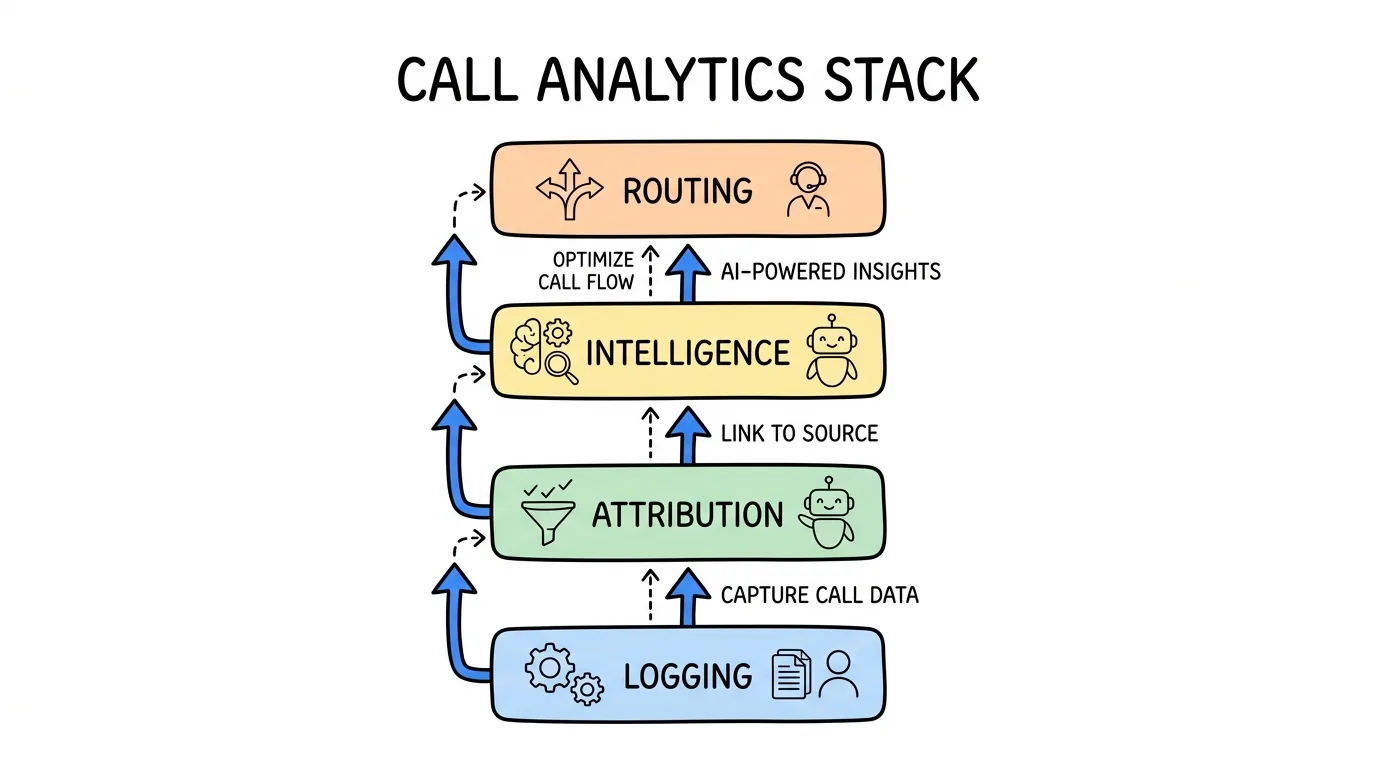
A complete call analytics platform is best understood as four stacked layers, each adding intelligence to the one beneath it.
- Logging: the raw record of every call, caller ID, timestamp, duration, and recording. This is the data floor.
- Attribution: dynamic number insertion connects each call to the campaign, keyword, and page that generated it.
- Intelligence: transcription and conversation analytics read the call for intent, sentiment, keywords, and outcome.
- Routing: scoring and distribution send each qualified call to the right buyer, rep, or department in real time.
Most legacy tools stop at logging and attribution. The 2026 leaders add intelligence and routing, which is where revenue actually changes. Lead Distro AI runs all four layers in one product, with lead scoring every call in under a second so the routing decision is based on real quality, not just which line rang.
Call Attribution and Dynamic Number Insertion
Attribution is the foundation of any serious call analytics tool, and it runs on dynamic number insertion (DNI). A small script swaps the phone number shown on your website for a unique tracking number tied to each visitor's source and session. When that visitor calls, the platform records which Google Ads keyword, Meta campaign, organic page, or email drove the call.
Without DNI, the calls your marketing generates stay invisible in reporting, and you optimize ad spend against half your conversions. As Invoca explains, DNI "automatically connects offline activities, like phone calls, to the site pages and advertising sources that generated them, delivering accurate attribution for marketing efforts" (Invoca, 2024).
For a fuller breakdown of the numbers attribution unlocks, see the call tracking metrics that matter. The short version: attribution turns "we got 40 calls" into "campaign B produced 22 calls at a $38 cost per qualified call." That is the input every other decision depends on.
Conversation Intelligence: The 2026 Differentiator
Conversation intelligence is what separates a 2026 platform from a 2019 call tracker. Where older tools left you to listen to recordings by hand, modern systems transcribe each call and analyze it automatically for intent, sentiment, talk ratio, objections, and outcome.
The practical payoff is scale. Large language models "automatically summarize conversations, extract action items, and flag deal risks by analyzing patterns like declining engagement or unresolved objections" (Outreach, 2025). An agency reviewing 500 calls a week cannot do that manually; software can do it on every call.
For pay-per-call agencies, conversation intelligence directly decides what you bill. It answers the only question that matters at handoff: was this a real, qualified call, or a 12-second hang-up? When the answer is computed from the transcript rather than guessed from duration, your billable-call rate becomes defensible to buyers. This is also where call monitoring and quality scoring connect; our spoke on call monitoring software covers live and post-call quality review in depth.
Comparing Call Analytics Software in 2026
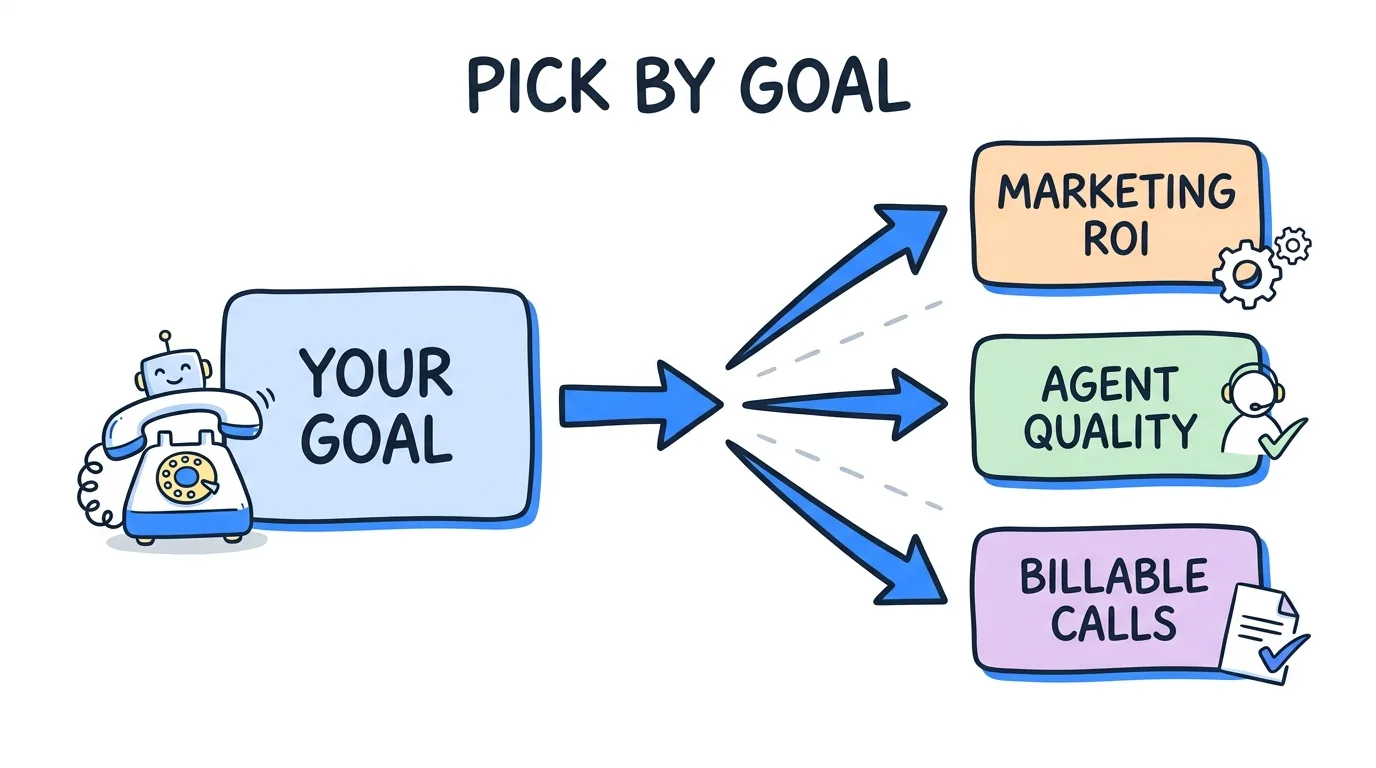
The call analytics software market splits into three groups: marketing call trackers, contact-center analytics suites, and unified lead-and-call platforms built for agencies. The right choice depends on whether you are optimizing marketing spend, managing a support floor, or running calls as billable inventory.
| Platform | Best For | Standout Feature | Starting Price | Free Trial |
|---|---|---|---|---|
| Lead Distro AI | Pay-per-lead AND pay-per-call agencies | Call scoring + 4 distribution methods in one platform | $297/mo | 7 days (card required) |
| CallRail | Small business marketing | Lead-engagement analytics | Usage-based | Yes |
| CallTrackingMetrics | Marketing + contact center | Conversation analytics suite | Usage-based | Yes |
| Invoca | Enterprise marketing | Deep AI conversation intelligence | Custom | No |
| Phonexa | High-volume call buyers | All-in-one tracking + routing | Custom | No |
Lead Distro AI is built for agencies that treat calls as inventory: it unifies call analytics with lead distribution, so a scored call routes straight to the right buyer instead of sitting in a separate analytics dashboard. To see the routing in action, explore how Lead Distro AI routes leads and calls.
What Call Analytics Software Actually Costs
Pricing for call analytics software is usage-based, and any vendor claiming otherwise is hiding the meter. You pay a flat platform subscription, then a per-number monthly fee for each tracking number and a per-minute rate on inbound call time on top of that. Phone numbers and call minutes are real telecom costs, so they scale with your volume.
For agencies, that structure is a feature, not a bug: usage-based pricing means a low-volume campaign stays cheap, and a high-volume campaign that is making money pays for its own tracking. Lead Distro AI starts at $297 per month for the platform, with call tracking billed usage-based on top. A platform that promises to wipe out per-minute charges is not being honest; the telecom cost is always there.
The free trial is 7 days and requires a credit card, so you can run real calls through the platform before committing, then cancel anytime inside the window if it is not a fit. For the deeper pricing model behind tracking numbers and minutes, our guide on call tracking pricing breaks down each line item.
How Agencies Use Call Analytics to Protect Margin
For a pay-per-call agency, call tracking analytics is the difference between a profitable campaign and a guess. The original insight from running Lead Distro AI: agencies do not lose money on the calls they bill, they lose it on the calls they cannot measure. Every unmeasured call is either an unbilled qualified lead or an unflagged junk call you paid for.
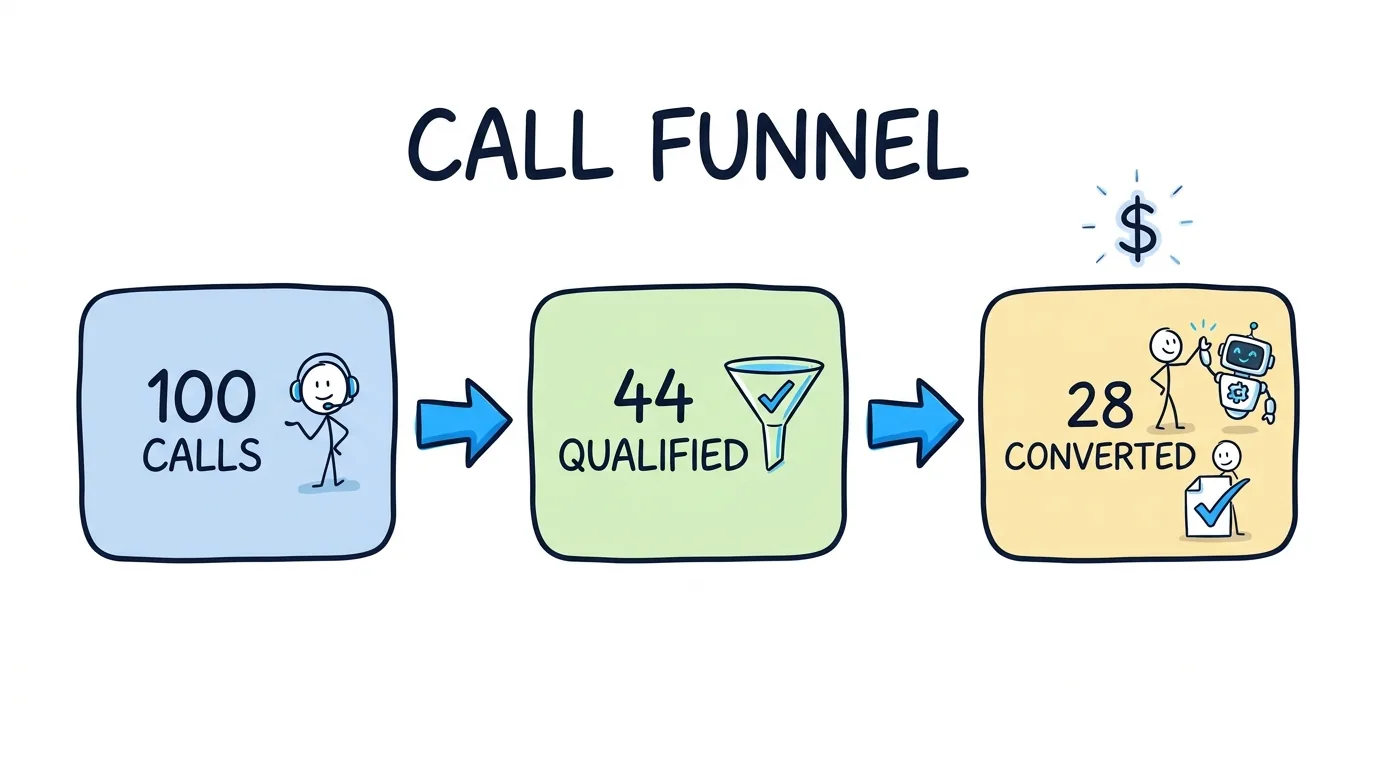
Here is the worked example we see most. A campaign drives 100 calls in a week. Without analytics, the agency bills a flat estimate and hopes. With a call analytics tool, the data shows 100 calls, 71 answered, 44 qualified by transcript, 28 converted, at a $41 cost per qualified call. The agency now bills 44 calls with proof, disputes nothing with the buyer, and kills the two ad sets producing only hang-ups.
That is the agency edge: source-level margin in real time. Lead Distro AI calculates billable-call rate and cost per qualified call per source, campaign, and buyer, so the decision to scale or cut a campaign is made on data, not on the size of the phone bill.
How to Choose the Right Call Analytics Tool
Choosing a call analytics platform comes down to matching the tool to your business model and confirming it does not gate the features you need behind enterprise tiers.
- Confirm true attribution. The tool must support DNI at the keyword and session level, not just "track this one number."
- Demand conversation intelligence on every call. Sampling a few calls is not analytics; insist on transcription and scoring across the full volume.
- Check the routing layer. If you run calls as billable inventory, scoring without distribution leaves the most valuable step manual.
- Read the pricing meter. Usage-based is normal and honest; a vendor hiding the per-minute rate is a red flag.
- Match the audience. Lead Distro AI is built for pay-per-lead and pay-per-call agencies, lead brokers, and lead buyers, not for a single in-house support desk.
The fastest way to test fit is to run live calls through a trial. You can start a free Lead Distro AI trial and route your first scored call in minutes. For the mechanics underneath all of this, read how call tracking works.
FAQ
What is call analytics software?
Call analytics software is a platform that measures every phone call, attributes it to the marketing source that drove it, analyzes the conversation for intent and outcome, and routes qualified calls to the right destination. It turns untracked phone activity into structured data you can score, bill, and optimize. Modern call analytics software adds AI conversation intelligence on top of basic call logging, which is what lets agencies measure call quality at scale instead of listening to recordings one at a time.
How is call analytics different from call tracking?
Call tracking is the narrower act of recording that a call happened and which number it came in on. Call analytics is the broader layer that interprets those calls: it attributes each one to a campaign through dynamic number insertion, reads the conversation for quality and intent, and turns the data into KPIs like cost per qualified call. In practice, call tracking is the data floor and a call analytics platform is the intelligence built on top of it, including scoring and routing.
How much does call analytics software cost?
Call analytics pricing is usage-based: a flat platform subscription plus a per-number monthly fee for each tracking number and a per-minute rate on inbound call time. Lead Distro AI starts at $297 per month with call tracking billed on usage on top. Numbers and minutes are real telecom costs, so they scale with volume; any vendor that markets those charges away is hiding the meter rather than removing it.
What features should a call analytics platform have?
A strong call analytics platform covers four layers: logging (records and caller ID), attribution (dynamic number insertion tied to keyword and source), conversation intelligence (transcription, sentiment, and intent on every call), and routing (scoring plus distribution to the right buyer or rep). For agencies that run calls as billable inventory, the routing layer matters most, because scoring without distribution leaves the highest-value step manual.
Is there a free trial for call analytics software?
Yes. Lead Distro AI offers a 7-day free trial that requires a credit card, so you can run real calls through the platform and see your own attribution, scoring, and routing data before committing. You can cancel anytime during the 7 days and you will not be charged. Running live calls through a trial is the most reliable way to confirm a call analytics tool fits your volume and your billing model.
Conclusion
Call analytics software is the backbone of any operation that turns phone calls into revenue. The 2026 leaders go far beyond logging: they attribute every call to its source, read each conversation for intent and quality, and route scored calls to the right destination in real time. For pay-per-lead and pay-per-call agencies, that measurement is what makes calls billable, disputes winnable, and campaigns scalable on data instead of guesswork. Lead Distro AI leads this category for agencies because it unifies call analytics, lead scoring, and four distribution methods in a single platform priced from $297 per month. Start a free Lead Distro AI trial and turn your next inbound call into measurable revenue.
Ready to see rule-scored call analytics and routing in one platform? Start your 7-day free trial and route your first scored call in minutes.
About the Author
Founder & CEO of Lead Distro AI & Great Marketing AI
UC Berkeley graduate and former software engineer at Microsoft. Rafael built Lead Distro AI after managing over $10M in ad spend for performance marketing agencies (pay-per-lead and pay-per-call), including running campaigns for Neil Patel. He combines deep software engineering expertise with hands-on performance marketing experience to build tools that help these agencies scale profitably.
About Lead Distro AI
Lead Distro AI: AI-Powered Lead Distribution & Call Tracking That Maximizes ROI
The modern platform for pay-per-lead and pay-per-call agencies. Route, score, and deliver leads with AI-powered automation and real-time P&L tracking. Built for performance marketing agencies and lead buyers across legal, insurance, mortgage, solar, and home services verticals.
4 Distribution Methods
Waterfall, Round Robin, Weighted, Ping-Post
Ping-Post Auctions
Real-time bidding with sub-second routing
Real-Time P&L Reporting
Track revenue, costs, and profit per campaign
Call Tracking
Assign tracking numbers, record calls, and attribute conversions
Lead Scoring
Score every lead before routing to maximize conversion
Partner Portal
Self-serve dashboard for buyers to track leads