Invoca Pricing in 2026: Plans, Add-Ons, and Who It's For
Invoca pricing is quote-only with no published rates. See which tiers and add-ons Invoca lists, and how Lead Distro AI compares for pay-per-call teams.

Rafael Hernandez
Founder & CEO
Ex-Microsoft SWE · $10M+ PPL ad spend
I hope you enjoy reading this blog post. If you want to try Lead Distro AI for free, click here.
Author: Rafael Hernandez | Founder & CEO of Lead Distro AI
Invoca pricing is not published publicly. Invoca's pricing page lists named tiers (Pro, Enterprise, and Elite for brands and agencies, plus Performance Professional and Performance Enterprise for pay-per-call and affiliate marketing) but shows no dollar amounts: every tier has a "Get Your Quote" button, as of September 2026. To get a number, you fill out a form and Invoca arranges a short meeting. Signal AI, PreSense, AI-Powered Quality Management, and premium integrations such as Salesforce CRM and Adobe Experience Cloud are listed as optional add-ons.
Invoca describes itself as an AI-powered revenue execution platform. Its Signal AI analyzes conversations for intent, outcome, and sentiment and feeds that data to ad platforms such as Google Ads and Meta Ads for value-based bidding. In our view, that capability is most valuable for large brands running heavy paid media, and it is not the core need of a growth-stage pay-per-call agency whose primary job is routing inbound calls to the right buyer at the right price.
If you are evaluating Invoca pricing because you run a pay-per-call or pay-per-lead agency, there is a real chance you are looking at the wrong category of tool. Lead Distro AI handles call tracking alongside lead distribution, ring tree routing, lead scoring, and ping-post distribution for agencies at flat-rate pricing: $147 per month for Call Tracking Only, $297 per month for lead distribution, and $497 per month for ping-post and ring tree routing. A 7-day free trial is available; a credit card is required to start. The sections below walk through what Invoca's pricing page shows, which features are add-ons, and how the two platforms compare for different buyer types.
Key Takeaways
- Invoca does not publish pricing. It lists named tiers with no dollar amounts, and you get a price by requesting a quote (as of September 2026).
- Several AI features are add-ons. Signal AI, PreSense, and AI-Powered Quality Management are listed as optional add-ons, as are premium Salesforce CRM and Adobe Experience Cloud integrations.
- Invoca sells separate pay-per-call plans. Performance Professional and Performance Enterprise include payout assignment for qualified calls and conversions, and are also priced by quote.
- Invoca's differentiator is Signal AI (in our view): conversation intelligence with intent detection, sentiment analysis, and data for paid media bidding.
- Lead Distro AI starts at $147 per month for Call Tracking Only, or $297 per month for the full platform (Starter plan), with a 7-day free trial requiring a credit card.
- Compare on your own call flow. In our view, Invoca is strongest for brands running heavy paid media. Lead Distro AI serves pay-per-call and pay-per-lead agencies that need routing, distribution, and real-time lead scoring alongside call tracking, with published pricing.
Why Invoca Does Not Publish Pricing
Invoca uses a sales-led buying process. Its pricing page says "Invoca's pricing is based on a few specific factors" and asks you to fill out a form so it can arrange a short meeting. The tiers themselves are defined by volume and features, for example the number of annual local or toll-free numbers (6,000 on Pro, 12,000 on Enterprise, 18,000 on Elite) and the number of custom Signals included.
In our view, this model works well for enterprise teams with dedicated procurement, budget cycles, and implementation resources. It adds friction for growth-stage agencies that want to evaluate a platform in a week, compare it against alternatives, and get a call tracking number running by Friday. Invoca's pricing model is not a bug for its target buyer; it reflects the nature of enterprise software sales.
What Invoca's Pricing Page Shows in 2026
Because Invoca does not publish rates, the only way to get an actual invoca cost is a quote. What the pricing page does show, as of September 2026, is how the tiers differ:
For Brands & Agencies: Pro (6,000 annual local or toll-free numbers, 5 custom Signals), Enterprise (12,000 numbers, 50 custom Signals), and Elite (18,000 numbers, 100 custom Signals). The Pro tier lists no-code integrations with Google Ads, Google Analytics 4, Microsoft Ads, Meta Ads, HubSpot, and Slack; Enterprise adds Search Ads 360, The Trade Desk, TikTok, Pinterest, and Snapchat.
For Pay-Per-Call & Affiliate Marketing: Performance Professional (6,000 numbers, 5 custom Signals, campaign syndication and bundling, payout assignment for qualified calls and conversions) and Performance Enterprise (12,000 numbers, 50 custom Signals, dynamic call routing including real-time webhooks, advanced IVR features and call whisper).
Ask for every add-on you need to be itemized in the quote, since none of them carry published prices.
What Is Included in an Invoca Plan
Understanding invoca pricing requires knowing what the tiers cover and what sits in the add-on list:
Signal AI (optional add-on): Invoca's flagship feature. Invoca says Signal AI lets you "unlock hundreds of insights from every conversation in real time," detecting intent, sentiment, and conversion outcomes, and Signal AI Studio lets teams train custom call-analysis models on their own calls. In our view, this is what Invoca's enterprise customers pay for: the ability to close the loop between ad spend and call outcomes at scale. Invoca's own research found that 68% of consumers say they prefer calling a business over any other channel (Invoca, 2021).
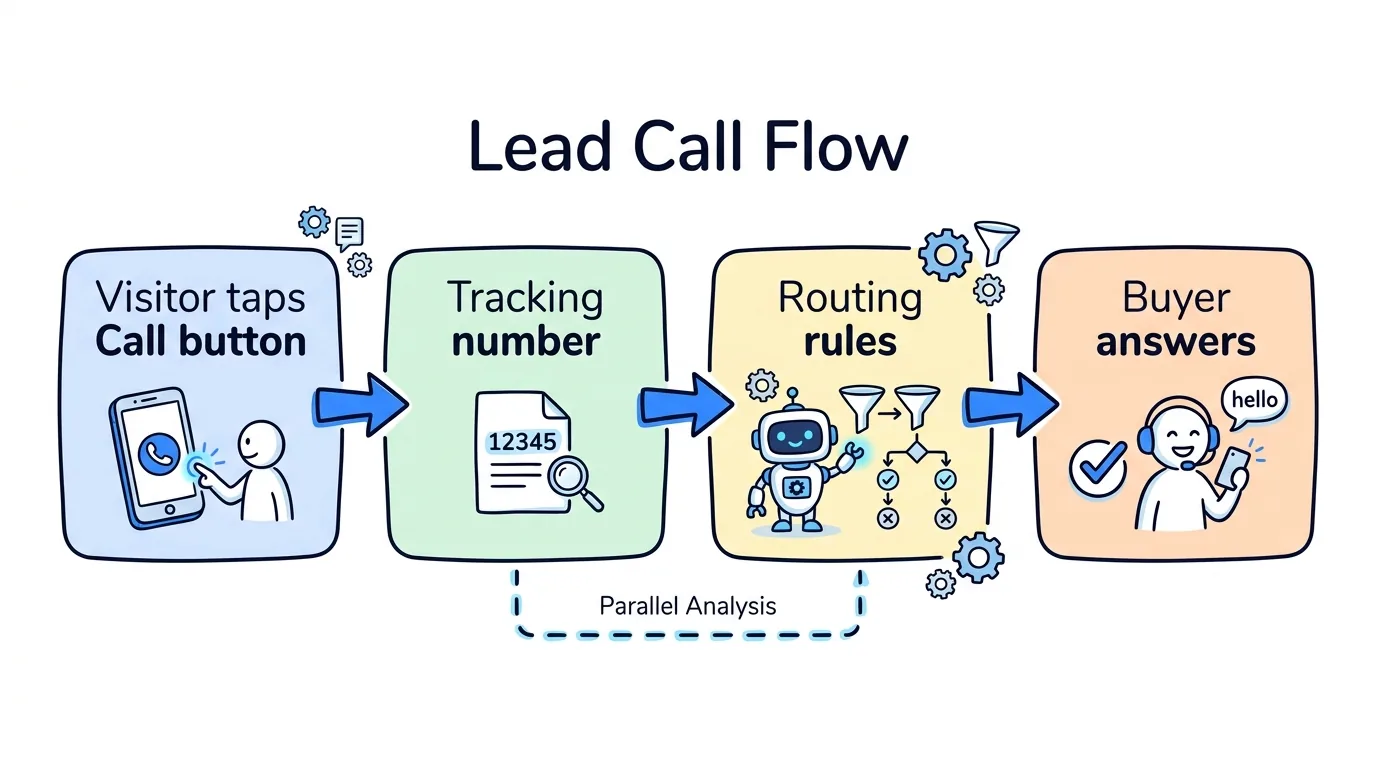
Call attribution and dynamic number insertion (DNI): Invoca tracks which ads, keywords, and campaigns drive inbound calls by swapping the phone number a visitor sees based on their traffic source. This is the foundational capability all call tracking platforms share.
Paid media bid optimization integrations: Invoca connects call data to Google Ads, Meta Ads, and Microsoft Ads to power value-based bidding, so the ad platform can optimize toward the keywords and placements that produce valuable calls.
Martech integrations: Salesforce CRM and Adobe Experience Cloud are listed as premium add-on integrations, and the Enterprise tier adds more ad and analytics connections.
API access: API and webhook integration is listed on every tier, including Pro.
What Is NOT Included in Standard Invoca Pricing
Invoca's pricing page lists several items as optional add-ons rather than part of each tier: Signal AI, PreSense (which Invoca says prioritizes and routes callers based on their intent and value), AI-Powered Quality Management, and premium integrations including Salesforce CRM and Adobe Experience Cloud, as of September 2026. Because none of these carry published prices, the real invoca cost depends on which add-ons your team needs, so get each one priced before you sign.
Invoca Pricing vs Lead Distro AI
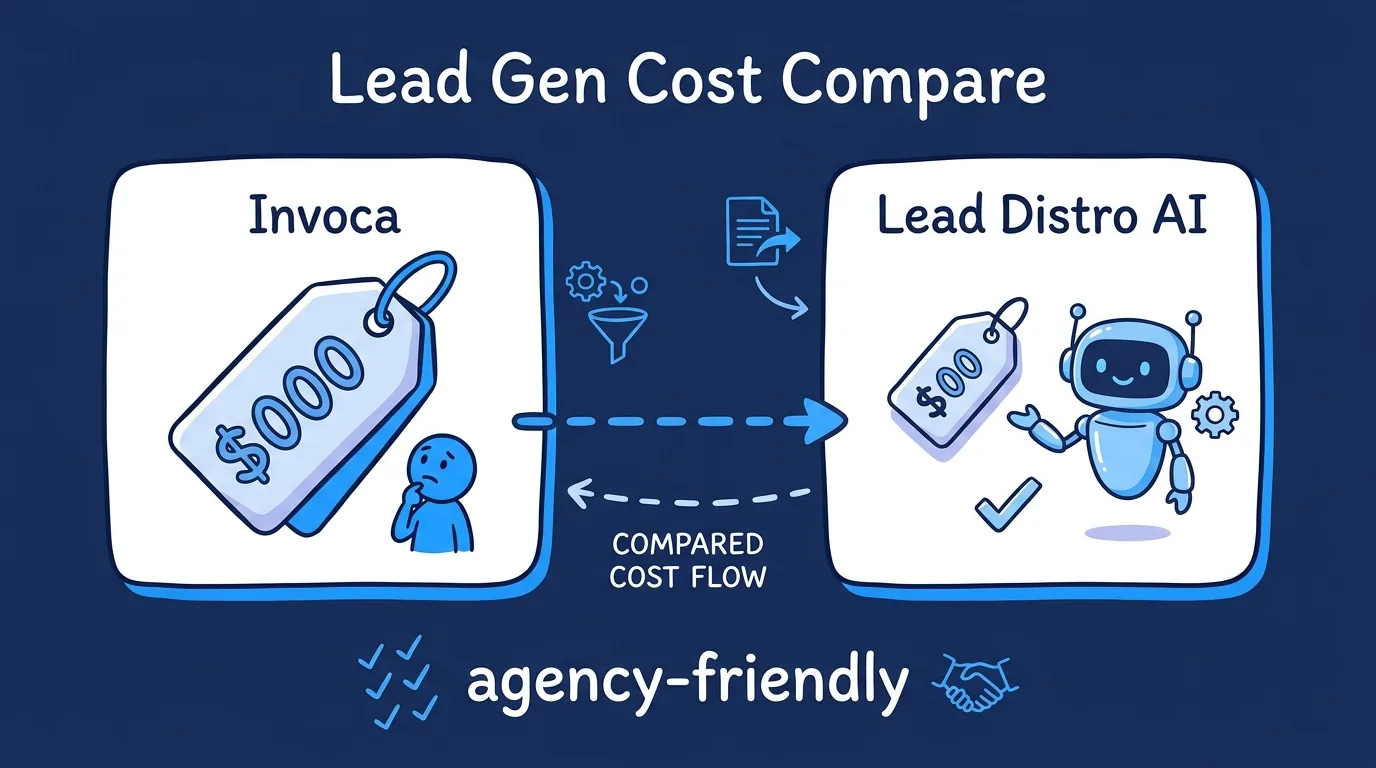
This comparison is useful only when both platforms are competing for the same buyer. In our view, in most cases they are not. Invoca describes itself as an AI-powered revenue execution platform. Lead Distro AI is an agency-focused lead distribution and call tracking platform. The overlap is the call tracking function; in our view, the rest of the feature set addresses different jobs.
| Feature | Invoca | Lead Distro AI (Starter) | Lead Distro AI (Growth) |
|---|---|---|---|
| Base pricing | Custom quote, no published prices (as of September 2026) | $297/mo | $497/mo |
| Pricing model | Quote by tier (Pro, Enterprise, Elite; Performance tiers for pay-per-call) | Flat monthly subscription | Flat monthly subscription |
| Call tracking | Yes (DNI, attribution) | Yes (per-number + per-minute) | Yes (per-number + per-minute) |
| Ring tree routing | Not verified | No (Growth and up) | Yes |
| Pay-per-call distribution | Yes (pay-per-call plans) | Yes | Yes |
| Web lead distribution | Not verified | Yes (3 methods: round robin, weighted, priority) | Yes (4 methods, adds ping-post) |
| Ping-post API | Not verified | No (Growth and up) | Yes |
| AI conversation intelligence | Yes (Signal AI, optional add-on) | No (rule-based scoring, pre-routing) | No (rule-based scoring, pre-routing) |
| Publisher/vendor management | Yes (payout assignment) | Yes | Yes |
| Salesforce/Adobe integrations | Yes (premium add-on integrations) | Webhook + API | Webhook + API |
| Self-serve trial | Not verified | Yes, 7-day (credit card required) | Yes, 7-day (credit card required) |
| Onboarding time | Not verified | Same day | Same day |
| Target market | Brands, agencies, and pay-per-call networks (per Invoca) | Pay-per-call and PPL agencies | High-volume pay-per-call and PPL agencies |
Not verified: we could not confirm this on the vendor's own website as of September 2026. Check with the vendor.
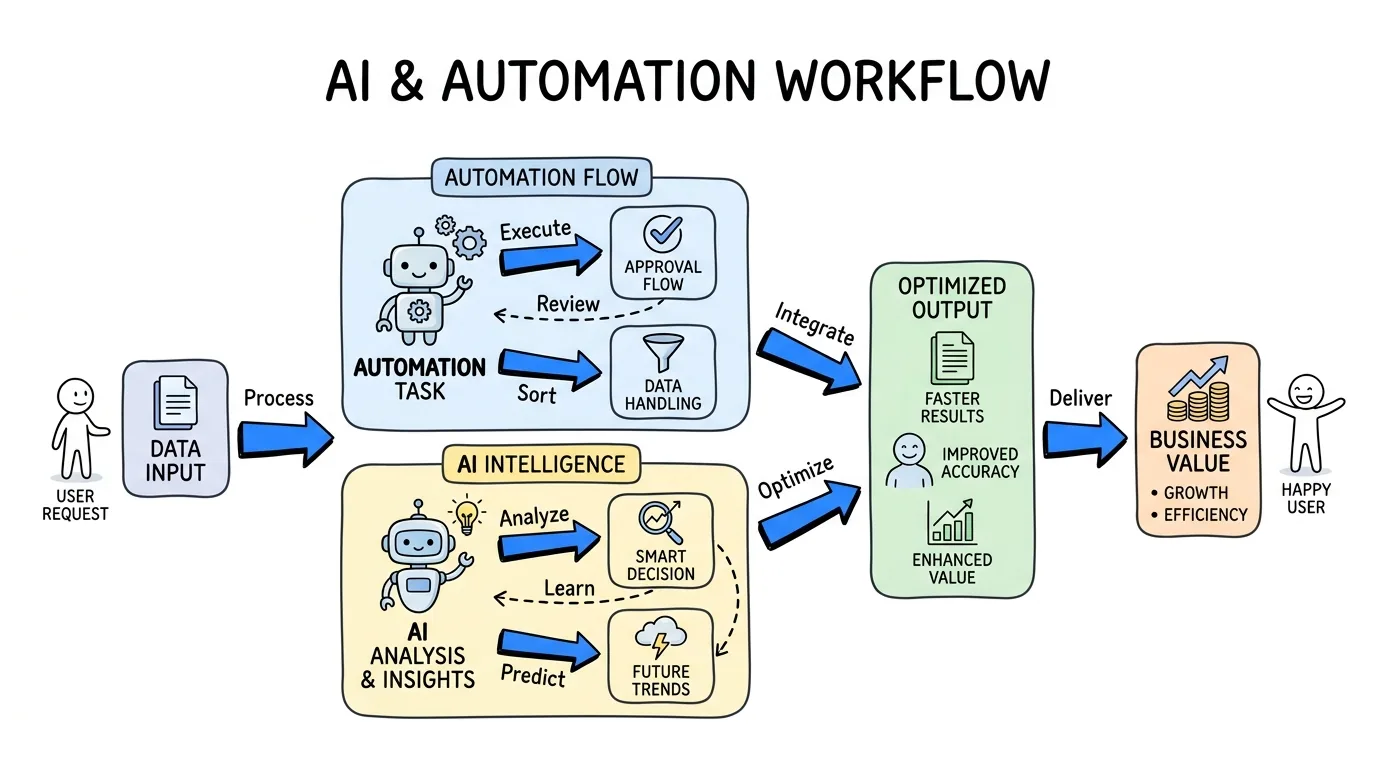
Lead Distro AI applies rule-based lead scoring to every inbound call and web lead before routing, so the platform decides in real time which buyer gets the lead based on the rules you configure. Invoca's Signal AI analyzes conversations for intent, outcome, and sentiment and feeds that data to ad platforms for bidding, and its PreSense add-on prioritizes and routes callers based on intent and value.
For the full feature comparison between Invoca and its closest alternatives, see the best Invoca alternatives roundup, which covers seven platforms across pricing, routing, and distribution capabilities.
Who Invoca Is Best For
In our view, Invoca pricing is enterprise-caliber because Invoca is built around enterprise needs. Three buyer types are a natural fit.
Enterprise automotive brands: In our view, automotive OEMs and large dealer groups that run national paid media campaigns and need to optimize bid strategy on call quality, not just call volume, are a natural fit for Signal AI and Invoca's Google Ads and Microsoft Ads integrations.
Large insurance and financial services teams: Insurance carriers and financial institutions where inbound calls represent high-consideration purchases (life insurance, mortgage refinancing, Medicare enrollment) can use Signal AI to detect intent and outcome at scale and feed call quality back into automated bidding.
Enterprise in-house teams with Salesforce or Adobe stacks: If the marketing team already runs Salesforce CRM and Adobe Experience Cloud, and the goal is to bring call data into the same customer journey view, Invoca lists both as premium add-on integrations.
Who Should Consider Lead Distro AI Instead
Three situations where we think Lead Distro AI is the better fit.
Pay-per-call agencies routing calls to multiple buyers: If the business model depends on routing an inbound call to whichever buyer bids highest, has capacity, or is next in the rotation, Lead Distro AI's call tracking for agencies handles ring tree routing natively, alongside pay-per-call payout tracking and publisher management, with published pricing. Invoca also sells pay-per-call and affiliate plans by quote, so compare both on your own call flow.
Agencies running web form leads alongside inbound calls: PPL agencies managing both inbound calls and form leads from the same traffic campaigns need a platform that distributes both as routable inventory through weighted routing, ping-post, or round-robin logic. Lead Distro AI handles both channels in one platform; you can see how it works on the interactive product tour.
Growth-stage agencies that need to move fast: Invoca's buying process starts with a quote request and a meeting. Lead Distro AI's self-serve signup and same-day onboarding mean you can route your first call the same day you start a trial. Start your 7-day free trial with a credit card required.
FAQ
How much does Invoca cost?
Invoca does not publish prices. Its pricing page lists named tiers (Pro, Enterprise, and Elite for brands and agencies; Performance Professional and Performance Enterprise for pay-per-call and affiliate marketing) with a "Get Your Quote" button and no dollar amounts, as of September 2026. Signal AI, PreSense, and premium integrations are listed as optional add-ons. To get a number, fill out Invoca's quote form and it will arrange a meeting.
Can you get a free trial of Invoca?
Invoca's primary calls to action are "Book a Demo" and "Get Your Quote." Ask Invoca directly about current trial or promotional offers. If a self-serve trial matters for your evaluation, Lead Distro AI offers a 7-day free trial with a credit card required.
How does Invoca pricing compare to CallRail?
CallRail publishes four plans from $50 to $195 per month billed yearly ($55 to $215 billed monthly), plus usage, as of September 2026. Invoca prices by quote, so a direct comparison needs an Invoca quote for your call volume. In our view, the comparison is not really apples-to-apples: CallRail is built for call attribution at SMB and agency scale, while Invoca leans toward enterprise conversation intelligence and paid media optimization. See the full invoca vs callrail breakdown for a detailed head-to-head.
How does Invoca compare to Lead Distro AI for pay-per-call agencies?
In our view, Invoca is strongest for enterprise brands that need conversation intelligence and paid media bid optimization, and it also sells pay-per-call plans by quote. Lead Distro AI is built for pay-per-call and pay-per-lead agencies that need ring tree routing, web lead distribution, real-time lead scoring, and publisher management, with published pricing. Lead Distro AI does not offer the same depth of conversation intelligence that Invoca's Signal AI delivers for enterprise media teams. Choose based on your actual job-to-be-done, not just the feature checklist.
Is Invoca worth the price for agencies?
It depends on the job. Pay-per-call and PPL agencies typically need ring tree routing for pay-per-call payouts, web lead distribution for form leads, publisher management and payout tracking, and real-time lead scoring. In our view, Invoca is strongest for brands that run paid media at scale and want call intelligence feeding their bidding. Invoca also sells plans for agencies and pay-per-call networks by quote, so get a quote and compare it against what you need. If you are an agency evaluating call tracking platforms, the best call tracking software guide covers purpose-built agency platforms alongside Invoca and CallRail.
Conclusion
In our view, Invoca pricing is enterprise-caliber because Invoca is built around enterprise needs. The quote-only model and the add-on structure reflect deployments where Signal AI, Salesforce and Adobe integrations, and bid optimization at scale call for a different kind of platform relationship.
If you are an enterprise automotive brand, a national insurance carrier, or a large in-house marketing team running Fortune 500-level paid media, Invoca is worth requesting a demo. If you are a pay-per-call agency, a PPL operation, or a growth-stage team that needs call tracking alongside lead distribution and real-time routing, you are likely looking at the wrong category of tool. Start a free trial of Lead Distro AI to see ring tree routing, web lead distribution, and lead scoring in one platform. The trial is 7 days, a credit card is required, and you can cancel anytime during the trial without being charged.
Looking for a call tracking and lead distribution platform built for agencies instead of enterprise brands? Start your 7-day free trial of Lead Distro AI. Flat-rate pricing starts at $147/mo for Call Tracking Only or $297/mo for the full platform. A credit card is required. Cancel anytime during the trial and you will not be charged.
About the Author
Founder & CEO of Lead Distro AI & Great Marketing AI
UC Berkeley graduate and former software engineer at Microsoft. Rafael built Lead Distro AI after managing over $10M in ad spend for performance marketing agencies (pay-per-lead and pay-per-call), including running campaigns for Neil Patel. He combines deep software engineering expertise with hands-on performance marketing experience to build tools that help these agencies scale profitably.
About Lead Distro AI
Lead Distro AI: Capture, Route, and Sell Every Lead, Call, and Appointment
The modern platform for pay-per-lead and pay-per-call agencies. Route, score, and deliver leads with AI-powered automation and real-time P&L tracking. Built for performance marketing agencies and lead buyers across legal, insurance, mortgage, solar, and home services verticals.
4 Distribution Methods
Waterfall, Round Robin, Weighted, Ping-Post
Ping-Post Auctions
Real-time bidding with sub-second routing
Real-Time P&L Reporting
Track revenue, costs, and profit per campaign
Call Tracking
Assign tracking numbers, record calls, and attribute conversions
Lead Scoring
Score every lead before routing to maximize conversion
Partner Portal
Self-serve dashboard for buyers to track leads