Aged Leads: How to Buy, Price, and Distribute Them in 2026
Aged leads are recycled inquiries sold at a discount. Learn aged lead pricing tiers, when aged beats real-time, and how to distribute and dedup them at scale.

Rafael Hernandez
Founder & CEO
Ex-Microsoft SWE · $10M+ PPL ad spend
I hope you enjoy reading this blog post. If you want to try Lead Distro AI for free, click here.
Author: Rafael Hernandez | Founder & CEO of Lead Distro AI
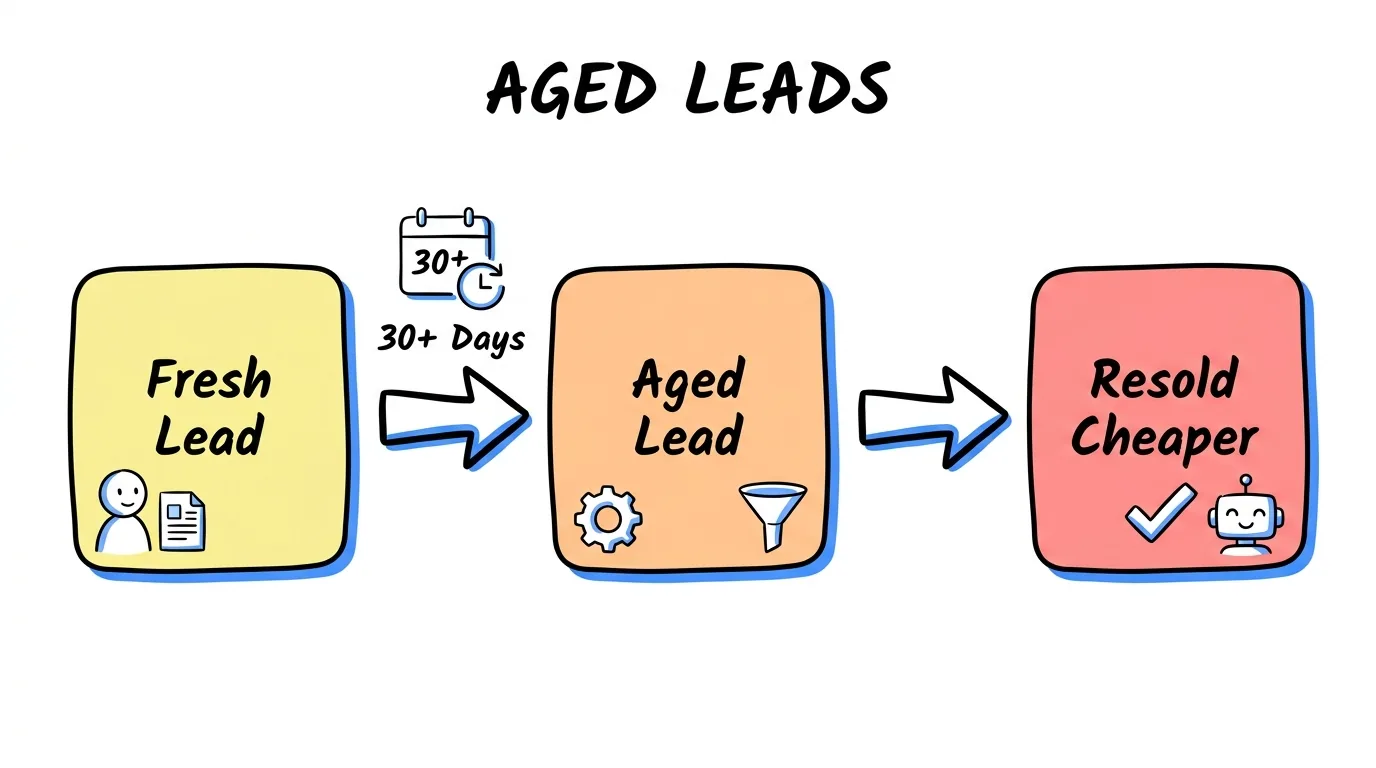
Aged leads are previously generated sales inquiries that are resold at a steep discount after the original interest cooled, typically 30 to 2,000 or more days after the consumer first requested a quote. Instead of paying for exclusivity and freshness, you pay for validated contact data and proven product interest. These records commonly sell for roughly $0.10 to $3.00 each, compared with $20 to $400 for fresh exclusive leads, which is why high-volume callers in insurance, mortgage, solar, and final expense buy them by the thousands. The trade-off is straightforward: lower per-record conversion rates, offset by volume that can produce a stronger return on the same upfront budget.
According to the 2024 Lead Response Management study, contacting an inquiry within five minutes increases the odds of qualifying it by up to 9x versus waiting 30 minutes. With recycled inventory, that speed window closed long ago, so the playbook changes from a race to a patient, personalized follow-up system. This guide explains what aged leads are, how their pricing works by age and vertical, when they outperform real-time leads, and how to buy, distribute, and dedup them without leaking margin.
Key Takeaways
- Aged leads are recycled inquiries resold after 30 or more days, priced far below fresh leads because you buy validated contact data and original intent, not exclusivity.
- Aged lead pricing typically runs $0.10 to $3.00 per record, with deeper discounts on older inventory and on volume orders of 1,000 or more.
- Aged inventory wins on volume math. Lower conversion rates are offset by buying 100 to 500 records for the price of a single fresh exclusive lead.
- Real-time leads still beat aged leads on speed, so reserve fresh inventory for dialer-driven or live-transfer teams and use aged leads for patient, high-touch follow-up.
- Distribution and deduplication decide profitability. Routing recycled leads by quality, suppressing duplicates, and tracking profit per source separates winners from budget drains.
What Are Aged Leads?
Aged leads are sales inquiries that were generated earlier, worked briefly or never worked at all, and then resold at a discount. The Aged Lead Store defines them as records where 30 to 2,000 or more days have passed since the original quote request, during which most received only one to three follow-up attempts from the first buyer. The contact data is real and the product interest was genuine, which is what makes this inventory useful long after the campaign ended.
The term overlaps with recycled leads and returned leads. A recycled lead is one a previous buyer worked and then returned to the vendor for resale, while an aged record is simply older inventory sitting in a database. In both cases you trade recency for price. Buyers in final expense, Medicare, mortgage, solar, and auto insurance lean on this inventory because their sales motion rewards persistence over speed, and the low cost lets them test scripts and offers cheaply before scaling.
Aged Lead Pricing: What You Actually Pay
Aged lead pricing is driven by three factors: how old the record is, which vertical it serves, and how many you buy at once. Older records cost less because their conversion potential has decayed, and vendors discount volume orders heavily. According to Aged Lead Store's cost breakdown, prices commonly start as low as $0.10 to $0.25 per record for the oldest inventory and climb toward $3.00 for recently aged, premium-vertical records.
The table below shows representative pricing by age band against fresh exclusive lead costs. Treat these as market ranges, not quotes; your real numbers depend on vertical, filters, and supplier.
| Lead type | Typical age | Price per lead | Best for |
|---|---|---|---|
| Fresh exclusive | Under 5 minutes | $20 to $400 | Dialer teams, live transfer, speed-to-lead |
| Fresh shared | Under 1 hour | $8 to $60 | Competitive verticals with fast follow-up |
| Recently aged | 15 to 85 days | $0.50 to $3.00 | High-touch reps testing new offers |
| Older aged | 85 to 365 days | $0.25 to $1.00 | High-volume dialers, second-pass campaigns |
| Deep aged | 365 plus days | $0.10 to $0.40 | Bulk list building, nurture sequences |
For the cost of one fresh exclusive solar or MVA lead, you can often buy 100 to 500 aged records. Run the math on your own funnel before scaling: model your cost per lead, expected contact rate, and revenue per close with the lead pricing calculator. For a deeper framework on what any lead should cost, our guide on how to price leads walks through the inputs that set a defensible price.
Aged Leads vs Real-Time Leads
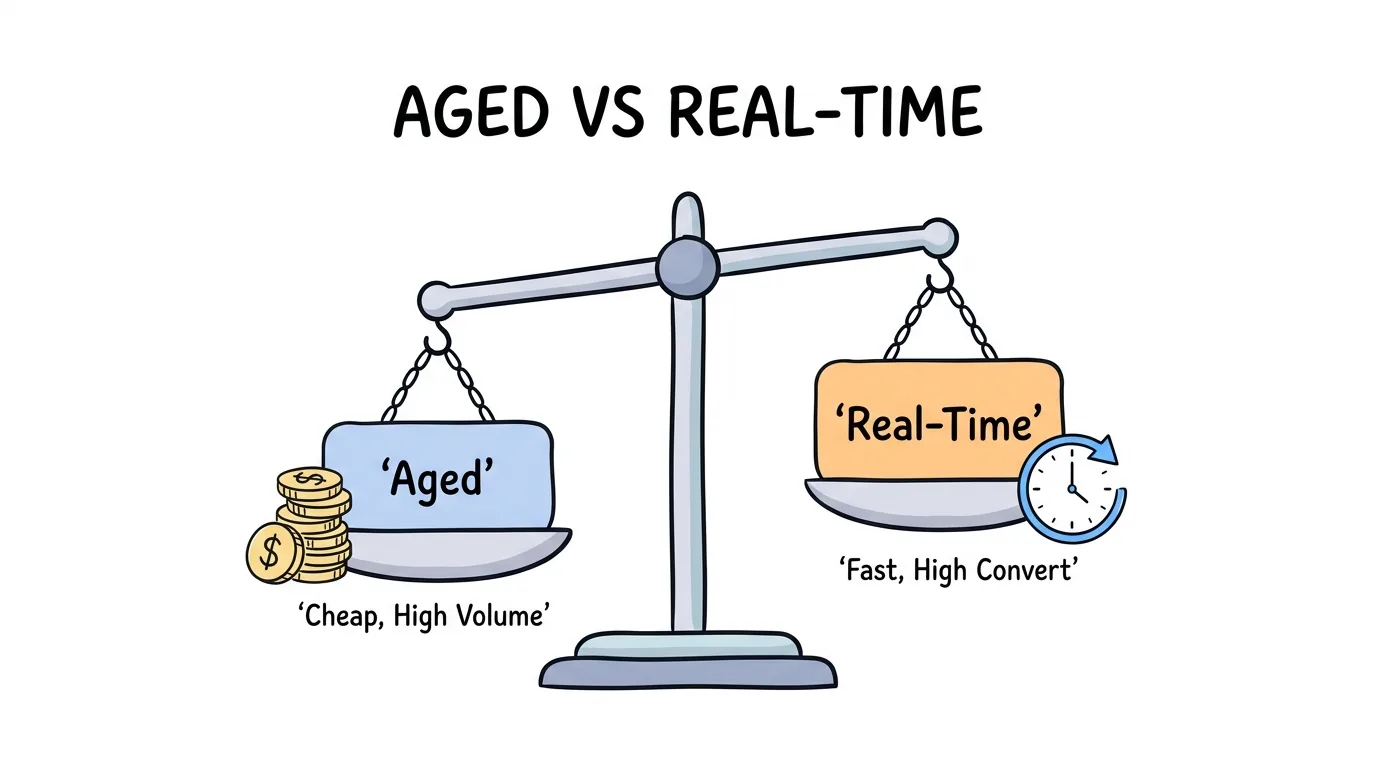
The choice between aged and real-time leads comes down to your follow-up system. Real-time leads convert at higher rates because the speed-to-lead window is still open, which is why inexperienced agents and dialer-light teams do better with fresh inventory. Recycled records win when you can afford patience and volume, because the low per-record price lets you contact far more prospects for the same budget. The Aged Lead Store argues that volume often outweighs conversion rate, letting buyers close several times as many deals per dollar spent.
| Factor | Aged leads | Real-time leads |
|---|---|---|
| Price per lead | $0.10 to $3.00 | $8 to $400 |
| Conversion rate | Lower per record | Higher per record |
| Speed advantage | None, intent has cooled | High, contact in minutes |
| Best fit | Patient, high-touch follow-up | Dialers and live transfer |
| Volume per dollar | 100x to 500x more records | Far fewer records |
Many operators run both. Reserve fresh, exclusive inventory for the speed-driven part of the funnel, and feed aged records into a separate, slower nurture track. If your team relies on instant contact, compare the economics with live transfer leads, where a call connects in real time. Understanding exclusive vs shared leads also helps, since most recycled inventory is non-exclusive and may have been sold before.
How to Buy and Work Aged Leads
Buying aged leads profitably starts with the same discipline as any lead purchase: define acceptance criteria, vet the vendor, and confirm the return and compliance terms before you wire money. Our complete guide on how to buy leads covers vendor vetting end to end and applies directly to aged inventory. The added risk with recycled records is that the same contact may have circulated through several buyers, so suppression and deduplication matter even more.
Set expectations with your team before the first call, because the script must acknowledge the time gap and re-open the conversation rather than assume hot intent. As Rafael Hernandez, Founder and CEO of Lead Distro AI, puts it: "Aged leads are not bad leads, they are patient leads. The agencies that win treat each record as a relationship to restart, not a hot transfer to rush." Compliance is non-negotiable: confirm consent records and follow TCPA compliance for lead distribution before dialing any purchased list, because age does not erase your obligation to honor consent and Do Not Call rules.
Distributing and Deduplicating Aged Leads at Scale
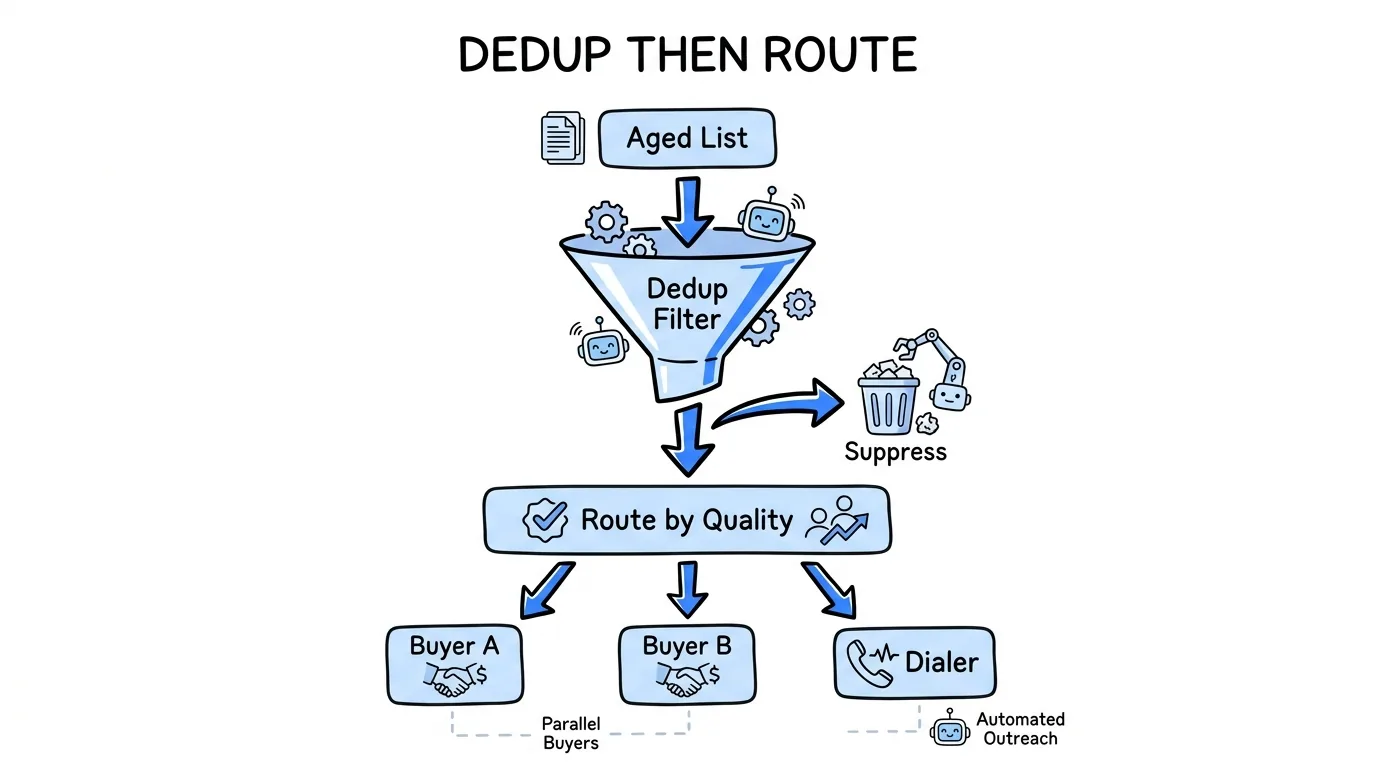
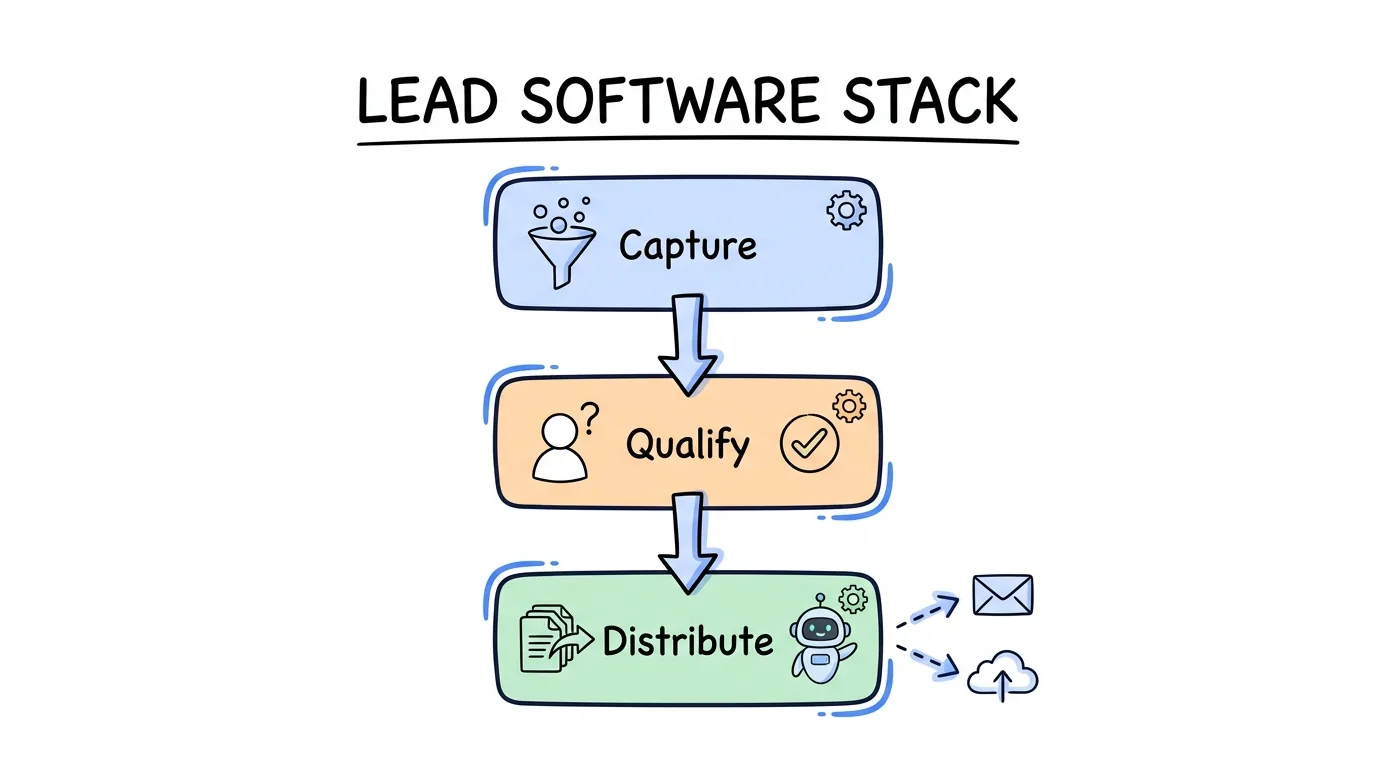
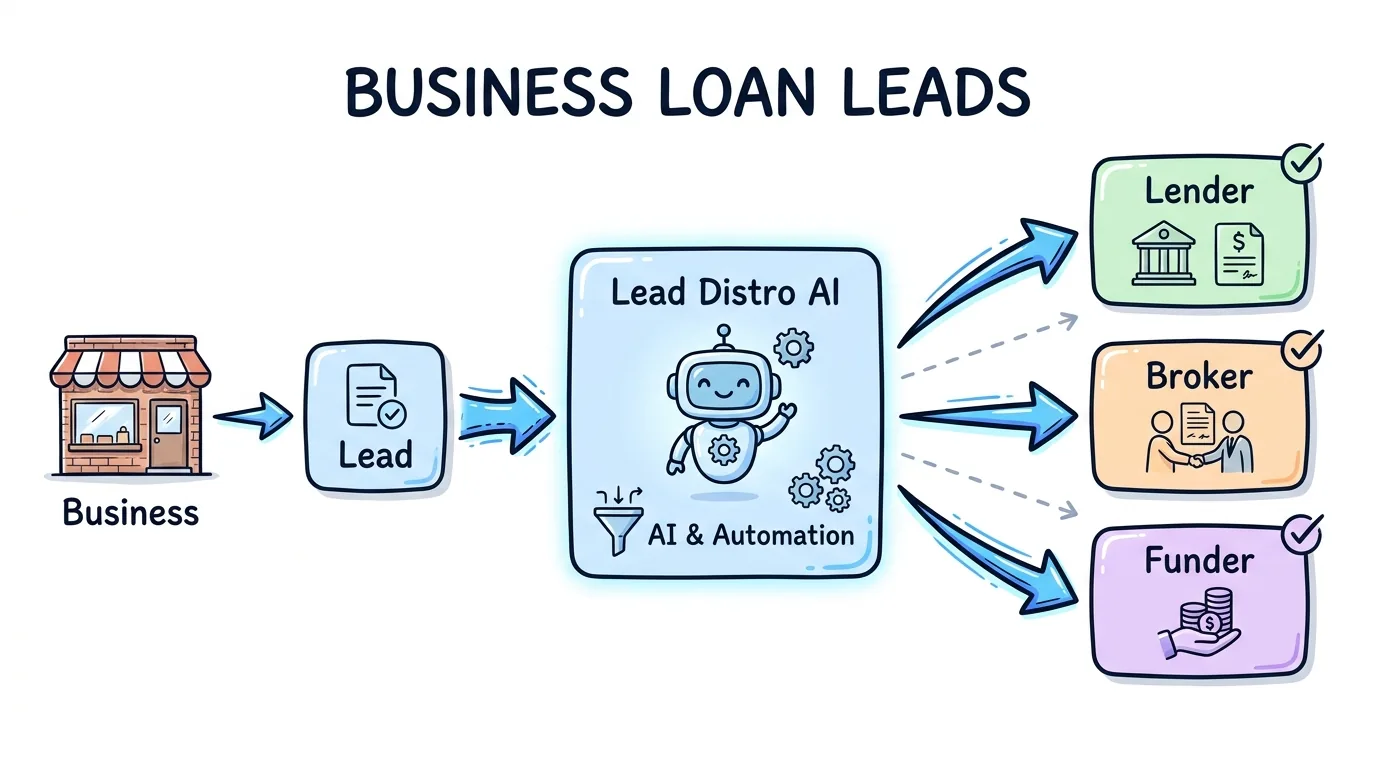
The operational difference between profitable and unprofitable buying lives in distribution. A list of 5,000 recycled records is worthless if half are duplicates you already own or if your best closers never see the highest-quality records first. This is where lead distribution software earns its keep: it ingests the bulk list, suppresses duplicates against your existing database, scores each record, and routes it to the right destination automatically.
Duplicate detection is the first gate. Configure matching by phone number or any field combination so you do not re-buy or re-dial contacts already in your system, a real risk when purchased lists overlap across vendors. From there, route by quality. With Lead Distro AI you can run all four distribution methods, round robin, weighted, priority or waterfall, and ping-post, so your strongest reps or highest-paying buyers receive the best records first. A real-time profit and loss dashboard then shows revenue, cost, and margin per source, so you learn which suppliers actually pay off. See it work in the interactive product tour, or start a free trial and route your first list in minutes.
Who Should Buy Aged Leads?
Aged leads fit operators who have a follow-up engine and want to scale contact volume cheaply. Agency owners who generate and sell leads use this inventory to keep buyers supplied between fresh campaigns and to fill prepaid wallets without blowing through media budget. High-volume call centers in final expense, Medicare, and mortgage lead generation use them for second-pass dialing, where a low cost per record makes even a modest contact rate profitable.
They are a poor fit if you lack the capacity to work volume, or if your vertical demands the freshest possible intent, such as time-sensitive home services jobs. They also suit pay-per-call and pay-per-lead agencies that want to test a new offer or geography before committing to expensive real-time inventory. If you sell to downstream buyers, a budget tier of recycled records widens your addressable market alongside premium fresh leads, without adding generation cost.
FAQ
What are aged leads?
Aged leads are sales inquiries that were generated earlier and resold at a discount, usually 30 or more days after the consumer first requested a quote. The contact information and original product interest are real, but the urgency has faded. Buyers purchase aged leads for validated data and proven intent rather than exclusivity, then work them with patient, high-touch follow-up instead of speed-to-lead dialing.
How much do aged leads cost?
Aged lead pricing typically ranges from $0.10 to $3.00 per record, compared with $20 to $400 for fresh exclusive leads. Price depends on three things: how old the record is, which vertical it serves, and how many you buy. Older inventory and large volume orders of 1,000 or more earn the deepest discounts, often dropping the per-lead cost 40 to 60 percent versus small orders.
Are aged leads better than real-time leads?
Neither is universally better; it depends on your follow-up system. Real-time leads convert at higher rates because you can contact them within minutes, so they suit dialer and live-transfer teams. Aged leads win on volume math, since the low price lets you buy far more records for the same budget. Many agencies run both, using fresh leads for speed and aged leads for patient nurture campaigns.
Is it legal to call aged leads?
Calling aged leads is legal only if you honor consent and Do Not Call rules. The lead's age does not remove your TCPA obligations, so you must confirm the vendor retained valid consent records and scrub each list against the National Do Not Call Registry before dialing. Using lead distribution software with built-in suppression and consent tracking reduces compliance risk when working purchased aged inventory at scale.
How do you distribute aged leads efficiently?
Efficient aged-lead distribution starts with deduplication against your existing database, then routing by quality so top records reach your best closers or highest-paying buyers first. A lead distribution platform automates this: it ingests the bulk list, suppresses duplicates, scores records, and applies round robin, weighted, priority, or ping-post routing. A real-time profit and loss view then shows which aged suppliers actually deliver margin.
Conclusion
Aged leads are one of the most cost-effective ways to scale contact volume, as long as you treat them as a system rather than a bargain bin. The winners define acceptance criteria, buy from vetted vendors, stay compliant, and lean on distribution software to dedup and route every record by quality. That operational discipline is what turns cheap recycled inventory into reliable margin. Lead Distro AI brings deduplication, AI scoring, four distribution methods, and a real-time profit and loss dashboard into one platform built for exactly this workflow.
Ready to buy aged leads and route them without the spreadsheet chaos? Start your 7-day free trial and distribute your first aged list in minutes.
About the Author
Founder & CEO of Lead Distro AI & Great Marketing AI
UC Berkeley graduate and former software engineer at Microsoft. Rafael built Lead Distro AI after managing over $10M in ad spend for performance marketing agencies (pay-per-lead and pay-per-call), including running campaigns for Neil Patel. He combines deep software engineering expertise with hands-on performance marketing experience to build tools that help these agencies scale profitably.
About Lead Distro AI
Lead Distro AI: AI-Powered Lead Distribution & Call Tracking That Maximizes ROI
The modern platform for pay-per-lead and pay-per-call agencies. Route, score, and deliver leads with AI-powered automation and real-time P&L tracking. Built for performance marketing agencies and lead buyers across legal, insurance, mortgage, solar, and home services verticals.
4 Distribution Methods
Waterfall, Round Robin, Weighted, Ping-Post
Ping-Post Auctions
Real-time bidding with sub-second routing
Real-Time P&L Reporting
Track revenue, costs, and profit per campaign
Call Tracking
Assign tracking numbers, record calls, and attribute conversions
AI Lead Scoring
Score every lead before routing to maximize conversion
Partner Portal
Self-serve dashboard for buyers to track leads